
Showa Day Japan: Celebrate the 100th Anniversary of the Showa Era
Looking for things to do in Golden Week Japan? Celebrate the Showa era’s 100th anniversary with exhibitions, retro spots and local experiences.

Showa Day in Japan falls on April 29, right at the start of Golden Week. Most people treat it as the first day off—shopping, meeting friends or getting out of the city early. In 2026, it also marks the 100th anniversary of the Showa Era (1926–1989).
This is the period when modern Japan took shape. It includes the war years, postwar occupation and the rapid economic growth that followed.
Much of what people use every day comes from this time, including commuter rail networks, suburban housing developments and the dense city layouts seen today. This year, Showa Day gives you a reason to slow down and pay attention to what’s already around you.
Showa Day in Japan 2026
[

](http://cdn.gaijinpot.com/app/uploads/sites/4/2026/04/iStock-atlantic-kid-Showa-era-shinkansen.jpeg)The Shinkansen in 1968.
There are official events, but they are not public attractions you can just drop by. For most people in Japan, Showa Day is simply the start of Golden Week. It’s when people finish last-minute errands or head out early to avoid crowds. It often feels like a slower Sunday rather than a national event.
However, a government ceremony marking the 100th anniversary of the Showa era will be held at Nippon Budokan on April 29. Attendance is by invitation only. The surrounding Kitanomaru Park area will be closed to the public from the evening of April 28 through the end of the ceremony on April 29, so expect restricted access around Kudanshita station during that time.
The Ministry of Finance is also issuing a commemorative ¥1,000 silver coin to mark the anniversary. The design features postwar symbols such as the first-generation Shinkansen, Tokyo Tower and sections of Japan’s early expressway network. These are not general circulation coins, but they are available for ¥34,800 through the Japan Mint website.
Showa-Themed Events During Golden Week
[
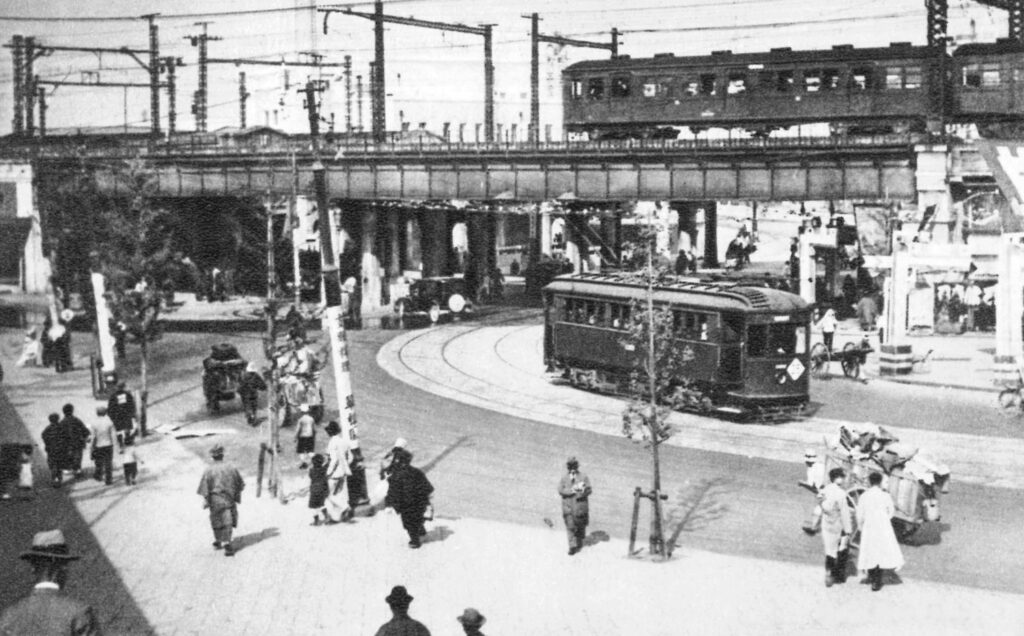
](http://cdn.gaijinpot.com/app/uploads/sites/4/2026/04/iStock-Showa-Day-in-Japan-2026-HanzoPhoto.jpeg)Ueno Park in 1932.
There aren’t many large-scale festivals tied directly to Showa Day, but several exhibitions and smaller events held during Golden Week tie into the 100th anniversary.
Tokyo: Edo-Tokyo Open Air Architectural Museum (Koganei)
At the Edo-Tokyo Open Air Architectural Museum, a special exhibition titled “100 Years of Showa and the Edo-Tokyo Open Air Architectural Museum” runs from March 20 to June 21, 2026.
The exhibition focuses on how the Showa period shaped the site itself. It uses relocated buildings and archival materials to show changes from prewar planning to wartime use and postwar reconstruction.
The layout follows that timeline. It starts with early national projects, moves through postwar redevelopment and ends with the museum’s current role.
You can walk through actual buildings from the Showa period, not just view them in a gallery.
Tokyo: Katsu Curry All-Stars (Tsukiji)
[
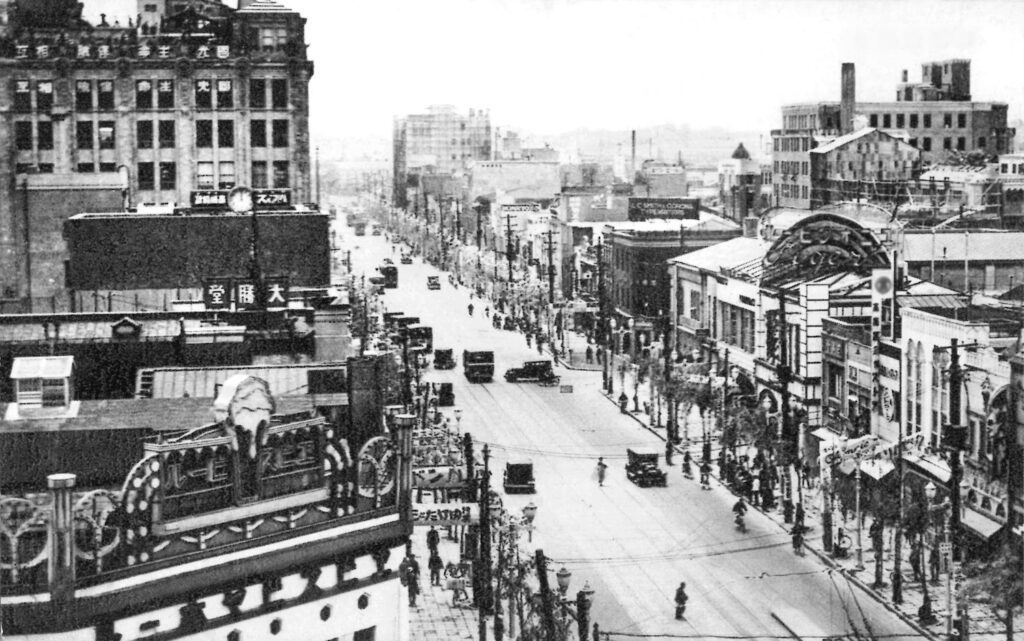
](http://cdn.gaijinpot.com/app/uploads/sites/4/2026/04/showa-day-in-japan-Vintage-photo-of-Ginza-Street-6-.jpeg)Vintage photo of Ginza Street 6 (1932).
In Tsukiji, Ginza Swiss Tsukiji, the “birthplace of Katsu Curry,” is hosting a rotating katsu curry event through May 10. Eight curry shops take turns serving their versions of the dish.
The event is held at the restaurant credited with inventing katsu curry in 1948. To mark the 100th anniversary of the Showa era, eight well-known curry shops from across Japan take part in a relay, each serving its own version of the dish for a limited time.
The venue also features small displays on the dish’s history, along with stamp rally-style promotions and scheduled talks. There’s no reservation system. You line up and order from menus that change throughout the event period. It works best as a short stop if you’re already in the Tsukiji area.
Wakayama: World Expo Legacy Exhibition
At the Wakayama Prefectural Museum of Modern Art, the exhibition “The Legacy of the World Expo” runs through May 6, 2026. The exhibition looks at the history of World Expos, with a strong focus on Expo ’70 in Osaka, one of the defining events of the late Showa period.
It explores how expos were used to present Japan’s technological progress and global identity, while also reflecting the social tensions and contradictions of the time.
While it is not labeled as a Showa 100 exhibition, it connects directly to the period through Expo ’70, which marked a peak moment in Japan’s postwar growth and international outlook.
Showa in Saga (1958–1989)
At the Saga Prefectural Archives, a special exhibition titled “Saga in the Showa Era – Part 2 (1958–1989)” is running through May 6, 2026.
The exhibition was organized specifically to mark the 100th anniversary of the Showa era and focuses on the later decades, using public records, photographs and local materials to show how life in Saga changed during that time. The exhibition is free to enter.
Tokyo: Showa-Era Film Screenings
If you want a more direct connection to the period, a few cinemas and archives in Tokyo are screening older Japanese films during Golden Week.
At the National Film Archive of Japan, a program titled “Cinema: Lost and Found 2026” runs through May 10. The screenings focus on restored and archival films, many from the Showa period or closely tied to it. Tickets are typically around ¥1,300, and the schedule changes daily, so it’s worth checking in advance.
The Showakan (National Showa Memorial Museum) is also running a film-related exhibition, “Two Golden Eras of Showa Cinema,” through Golden Week. While it leans more toward display than full screenings, it provides useful context on how film developed during the period.
For something less structured, smaller “meigaza” cinemas still run double features that often include older Japanese films.
Where to Experience Showa Japan
In Tokyo, areas like Yanaka and Sugamo still reflect older daily life. Narrow streets, small independent shops and older signage remain in place, with layouts that haven’t been fully redeveloped. Most businesses still cater to a regular local crowd rather than tourists.
Kissaten cafes are one of the easiest ways to experience that atmosphere. Coffee is served in thick ceramic cups, sugar cubes are placed on the table and there is no pressure to leave quickly. Kayaba Coffee, which opened in 1938, is a well-known example. Going early in the morning helps avoid Golden Week crowds.
For a more immersive version, dedicated Showa museums recreate the period in full. The Showa Museum (Showa-kan), with locations in Gifu and Oita, rebuilds entire streets using original materials and objects from the time.
Interiors are filled with everyday items from the period, from handwritten packaging to mechanical cameras, arranged to reflect how people actually lived.
In Kyoto, similar details appear in places like Nishiki Market and Pontocho, where long-running shops and small interiors have remained in place even as the surrounding areas changed.
How will you celebrate Showa Day this Golden Week in Japan? What are your favorite spots for Showa-era architecture?
Note: This article content is being automatically formatted. For the original source formatting, visit the link below.
Original source:GaijinPot Blog ↗
More Japan News

How to Teach English in Japan (2026 Guide: Jobs, Salary and Visa)
Learn how to teach English in Japan in 2026, including job types, salary, visa requirements and step-by-step hiring advice.

2026 Top Jobs in Japan Week 18
Apply to open roles in localization, English teaching, sales and more in this week's Top Jobs in Japan!

Golden Week in Japan: Dates, Meaning and What to Expect
Golden Week in Japan is the country’s biggest holiday period. Here’s what it means, key dates and how people celebrate across Japan.