
How to Teach English in Japan (2026 Guide: Jobs, Salary and Visa)
Learn how to teach English in Japan in 2026, including job types, salary, visa requirements and step-by-step hiring advice.

If you’re wondering how to teach English in Japan, the process is more straightforward than you might expect, but the details matter. For many foreign residents, teaching English is still one of the fastest ways to start working in Japan.
That hasn’t changed in 2026. What has changed is everything around it—how much you earn, where the better opportunities are and what employers actually expect from you once you’re in the classroom.
If you’re thinking about teaching in Japan, the job itself is straightforward. Getting a job is straightforward, too. The difference is understanding where to apply, what kind of role you’re walking into and what your day-to-day life will actually look like once you’re here.
- Types of English Teaching Jobs
- The JET Programme (Government Teaching Route)
- Best Cities to Teach in Japan
- English Teacher Salary in Japan
- Requirements to Teach English
- The Visa Process
- How to Get Hired (What Employers Look For)
- Common Teaching Job Pitfalls (What to Watch For)
- Is Teaching English in Japan Worth It?
Types of English Teaching Jobs
[

](http://cdn.gaijinpot.com/app/uploads/sites/4/2024/03/iStock-xavierarnau-students-in-japan-how-to-teach-English-in-Japan.jpeg)ALTs will help guide students with a Japanese teacher.
Most first-time teachers don’t end up in universities or international schools. They land in one of two places: public schools as assistant language teachers (ALTs), or private conversation schools known as eikaiwa.
As an ALT, you’re not the main teacher. You assist a Japanese teacher in a public school classroom, helping with pronunciation, activities and occasionally leading parts of the lesson. The schedule is predictable—weekday mornings to mid-afternoon—and the workload is relatively light compared to other teaching roles.
Eikaiwa work is different. You’re usually leading the class yourself, often teaching small groups or one-to-one lessons. The hours shift later into the day, with evenings and weekends being standard. The work is more repetitive, but also more flexible, and hiring happens year-round.
Private schools sit somewhere in between. You’re expected to take on more responsibility—lesson planning, grading, sometimes extracurricular activities—and the pay reflects that. International schools and universities are a different tier entirely, usually requiring formal teaching qualifications or advanced degrees.
Most people entering Japan for the first time start with ALT or eikaiwa work, then move on if they decide to stay longer.
The JET Programme (Government Teaching Route)
The Japan Exchange and Teaching Programme is one of the most well-known ways to teach English in Japan. Unlike dispatch or private-sector jobs, JET is a government-run program that places foreign teachers in public schools across the country as Assistant Language Teachers (ALTs).
First-year participants earn around ¥280,000 per month, with scheduled salary increases each year. Flights to and from Japan are typically covered, and contracts are more standardized than those offered by private companies.
That said, JET is more competitive than most ALT positions. Applications open once a year through Japanese embassies, and the process includes written applications and interviews. Placement is also assigned—you can list preferences, but there’s no guarantee you’ll end up in a major city.
Best Cities to Teach in Japan
[
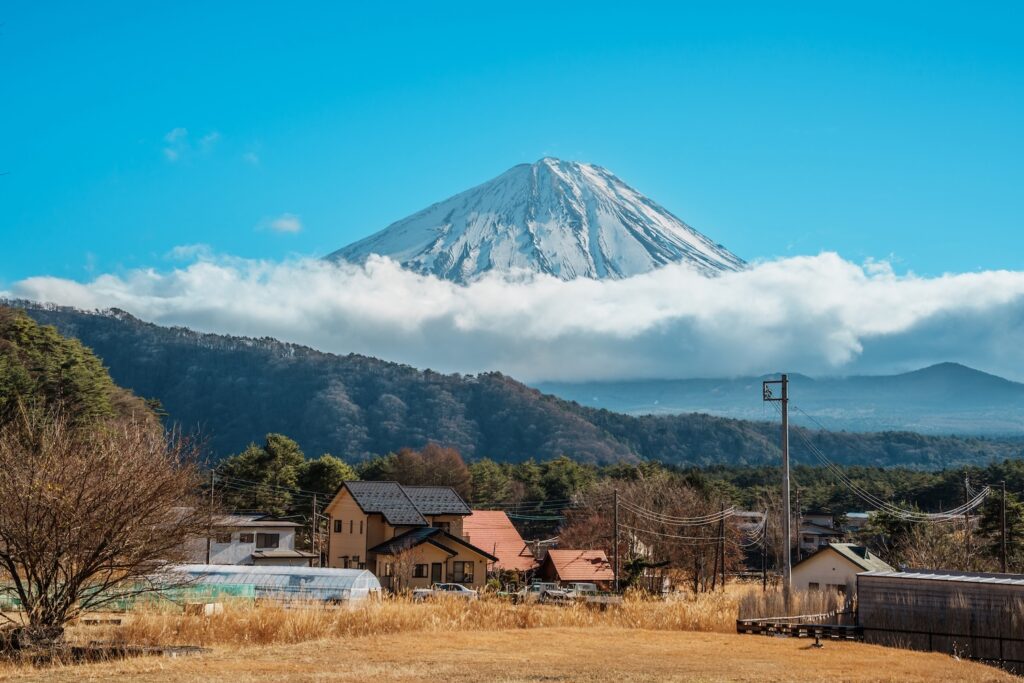
](http://cdn.gaijinpot.com/app/uploads/sites/4/2024/03/iStock-Puripatl-mount-fuji-how-to-teach-english-in-Japan.jpeg)You might not necessarily be teaching in Tokyo.
A common assumption is that Tokyo offers better opportunities. It does—in terms of volume. But not necessarily in terms of outcome.
-
Tokyo – Highest number of jobs, highest cost of living
-
Osaka / Nagoya – Similar salaries, lower living costs
-
Regional areas (Tohoku, Shikoku, Okinawa) – Fewer jobs, less competition, sometimes better overall lifestyle
Entry-level salaries are broadly similar across Japan. Whether you’re in Tokyo, Osaka or a regional city, you’re likely looking at something in the ¥230,000 to ¥300,000 range to start. What changes is how far that money goes.
Rent in Tokyo can easily push past ¥80,000 a month for a small apartment. In Osaka or Nagoya, you can often find similar places for ¥20,000–¥30,000 less. In more rural areas, it drops further, and some positions include subsidized housing.
That difference adds up quickly. A job outside Tokyo might not look better on paper, but it often leaves you with more money at the end of the month. It’s also usually less competitive, which matters if you’re applying from overseas without prior experience.
English Teacher Salary in Japan
[

](http://cdn.gaijinpot.com/app/uploads/sites/4/2019/09/iStock-AH86-English-Teacher-Salary-in-Japan.jpg)Don’t expect to come out looking like this from the start.
Most full-time teaching jobs that sponsor visas fall into a narrow salary band.
ALT positions tend to sit between ¥230,000 and ¥280,000 per month. Eikaiwa roles usually start slightly higher, around ¥250,000 to ¥300,000. Lower-end dispatch positions can dip to ¥200,000 or lower, especially in rural placements, though these positions sometimes come with housing support.
In practice, your take-home pay is lower. After pension, health insurance and taxes, you’re typically losing around 12 to 18 percent of your salary. A ¥250,000 job often lands closer to ¥200,000 in your bank account.
That’s why many teachers pick up private students. One-on-one lessons generally run between ¥2,500 and ¥4,000 per hour, and in cities with strong demand, that can make a noticeable difference over time.
There are higher-paying roles (private schools, international schools), but those aren’t entry-level jobs. They usually expect experience, qualifications or both.
Requirements to Teach English
[

](http://cdn.gaijinpot.com/app/uploads/sites/4/2024/10/iStock-recep-bg-Manage-A-Classroom-in-Japan.jpg)Gotta’ keep it moving.
Legally, the biggest requirement isn’t teaching ability—it’s your degree.
To qualify for a standard work visa in Japan, typically either the Instructor visa (for public schools) or the Engineer/Specialist in Humanities/International Services visa (for private sector roles), you usually need a bachelor’s degree in any field.
While it’s technically possible to qualify through extensive professional experience instead (generally around 10 years in a related field), this is rarely accepted for English teaching positions, and most employers require a degree as a baseline.
As of 2026, immigration rules have tightened slightly in specific cases. For some roles under the Specialist in Humanities visa—particularly with smaller companies or positions that involve Japanese-language duties—applicants may also be asked to demonstrate intermediate Japanese ability (roughly JLPT N2 level or equivalent). This does not apply to most English-only teaching jobs, but it’s worth checking in job descriptions.
At a minimum, most employers expect:
-
A bachelor’s degree (required for visa sponsorship)
-
Native-level English ability
-
Clear communication and confidence in front of a class
-
Willingness to follow a set curriculum
Most entry-level employers aren’t looking for trained teachers. They’re looking for people who can communicate clearly, manage a classroom and stay consistent day to day. If you can speak confidently, stay organized and handle a room of students without freezing up, you already meet the baseline.
Certifications like TEFL or TESOL sit in the middle ground. They’re not required, but they’re increasingly common. In more competitive cities or better-paying schools, they can be the difference between getting an interview or not.
Japanese ability is similar. It’s not required for most roles, but even basic conversational Japanese makes daily life and workplace communication easier. In some cases, especially with smaller companies or mixed-role positions, it may now be expected.
The Visa Process
[
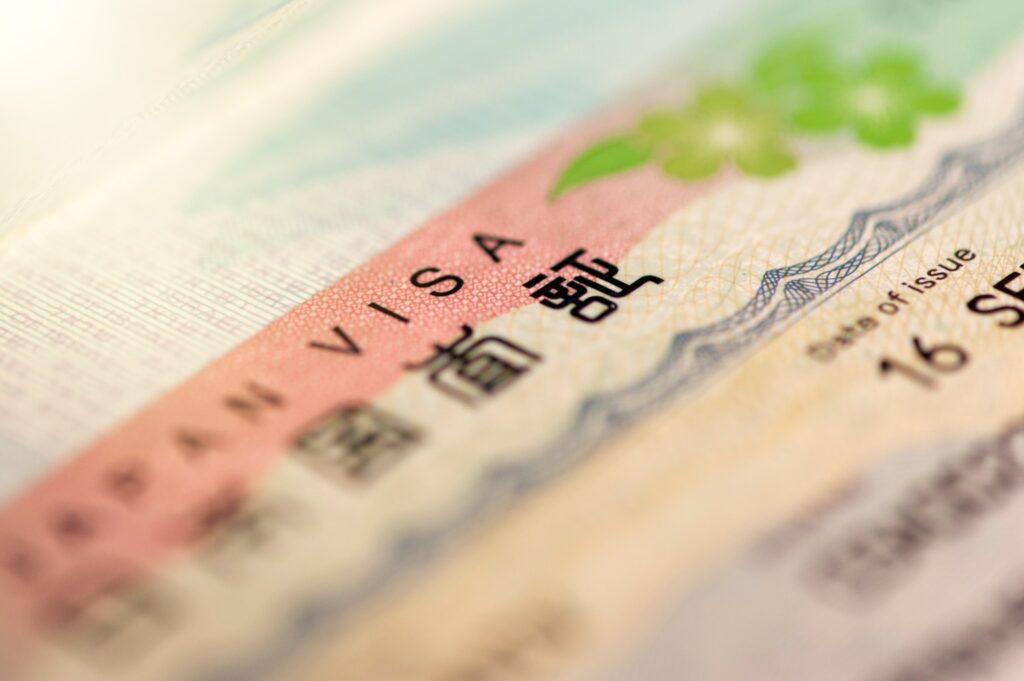
](http://cdn.gaijinpot.com/app/uploads/sites/4/2024/03/iStock-BigNazik-japan-visa.jpeg)The golden ticket.
Once you’ve secured a job, the visa process is mostly handled by your employer—but how you apply depends on where you are.
Applying from outside Japan
Your employer first applies for a Certificate of Eligibility (COE) through immigration in Japan. This usually takes one to three months.
Once issued, the COE is sent to you. You then use it to apply for a work visa at a Japanese embassy or consulate in your country of residence.
Depending on where you live, you may need to apply in person or by mail through your nearest consulate. After the visa is approved, you can enter Japan and receive your residence card at the airport.
Applying from within Japan
If you’re already in Japan on a valid status (such as a student or working holiday visa), you don’t need to leave the country.
Instead, you’ll apply for a Change of Status of Residence through immigration. In most cases, your employer still prepares the same documents used for a COE application, but everything is submitted inside Japan.
Processing usually takes a few weeks to a couple of months. Once approved, your residence status is updated, and you can begin working under your new visa.
How to Get Hired (What Employers Look For)
[

](http://cdn.gaijinpot.com/app/uploads/sites/4/2024/03/iStock-wckiw-english-teacher-in-japan.jpeg)Personality plays a big part.
Meeting the basic requirements gets your application seen—but it’s not what gets you hired.
Most entry-level teaching interviews in Japan are designed to answer one question: Can you stand in front of a class and keep it moving?
That’s why many employers include a short demo lesson. You might be asked to explain a simple grammar point or run a quick activity. It’s not about perfect teaching technique—it’s about clarity, pacing and whether you can keep the interaction natural.
What employers are actually evaluating is (usually) more practical than technical:
-
How clearly you speak and give instructions
-
How you react if something doesn’t go to plan
-
Whether you come across as approachable and easy to work with
For ALT and eikaiwa roles in particular, personality and consistency carry more weight than experience. Schools want someone who shows up on time, follows the curriculum and can handle the same lesson multiple times without losing structure.
In other words, they’re not hiring the most qualified teacher—they’re hiring the most reliable one they can put in front of students.
Common Teaching Job Pitfalls (What to Watch For)
[

](http://cdn.gaijinpot.com/app/uploads/sites/4/2024/03/iStock-Yuto-photographer-boring-job-burn-out-in-japan.jpeg)Burnout is a real concern.
Contracts in Japan can vary more than expected, and this is where many first-time teachers get caught off guard.
One of the most common issues is the structure of compensation. Bonuses are often tied to contract renewal rather than performance, and some roles advertise a monthly salary that looks reasonable on paper but drops significantly after deductions for housing, insurance and pension.
Working hours can also be misleading. In eikaiwa roles, evenings and weekends are standard, even if the job listing doesn’t emphasize it. Some schools also expect unpaid prep time or additional duties outside scheduled lessons.
There’s also a clear gap between dispatch companies and direct-hire positions. Dispatch roles are easier to enter but tend to offer lower pay, less job security and fewer benefits. Direct-hire roles are more competitive, but usually come with better conditions and clearer contracts.
In more extreme cases, you may encounter what are commonly referred to in Japan as “black companies”—employers with poor working conditions, unclear contracts or unrealistic expectations. In teaching, this can look like:
-
pressure to work unpaid overtime
-
unclear or frequently changing schedules
-
high staff turnover
-
strong emphasis on sales targets in eikaiwa settings
None of these are universal, but they’re common enough that it’s worth paying attention to warning signs.
Before accepting a position, check reviews, ask detailed questions during the interview and make sure the contract clearly outlines salary, hours and responsibilities.
Is Teaching English in Japan Worth It?
[

](http://cdn.gaijinpot.com/app/uploads/sites/4/2024/03/iStock-Oleh_Slobodeniuk-foreigner-exploring-japan-english-teacher.jpeg)It starts with you.
That depends on what you expect from it. If your goal is to move to Japan, gain experience and figure things out from there, teaching still works well. It’s one of the most accessible entry points, with relatively straightforward hiring and visa sponsorship.
The trade-off is salary. Most entry-level roles sit in the ¥230,000–¥300,000 range—enough to live on, but not to save much, especially in larger cities. The real value is the foothold: you’re in Japan, working legally and building a base to move on from.
That’s where teaching helps, even short-term. It gives you time to:
-
improve your Japanese
-
build connections
-
explore other career paths
At the same time, it’s easy to get comfortable. Staying too long without building skills or language ability makes it harder to transition later. For many people, getting a visa-sponsored job is the biggest hurdle. Teaching isn’t perfect, but it’s a position many want—and struggle to get. Used intentionally, it’s a solid starting point with a stable routine and time to explore Japan.
If you don’t, it can turn into something you outgrow without a clear next step.
*Figuring out how to teach English in Japan, the details matter. If you’ve gone through it yourself, or you’re currently in the process, share your experience in the comments below. *
Note: This article content is being automatically formatted. For the original source formatting, visit the link below.
Original source:GaijinPot Blog ↗
More Japan News

2026 Top Jobs in Japan Week 18
Apply to open roles in localization, English teaching, sales and more in this week's Top Jobs in Japan!

Showa Day Japan: Celebrate the 100th Anniversary of the Showa Era
Looking for things to do in Golden Week Japan? Celebrate the Showa era’s 100th anniversary with exhibitions, retro spots and local experiences.

Golden Week in Japan: Dates, Meaning and What to Expect
Golden Week in Japan is the country’s biggest holiday period. Here’s what it means, key dates and how people celebrate across Japan.