
Tsujihan sushi bowl restaurant goes viral with foreign tourists, but is it worth the hype?
Archived Content: This article was published over 30 days ago. Travel rules and prices may have changed.Check official sources.
A Japanese diner shares their take on the kaisendon restaurant that’s exploded in popularity amongst overseas tourists. If you’re curious to explore Japan’s seafood scene beyond sushi and sashimi, you
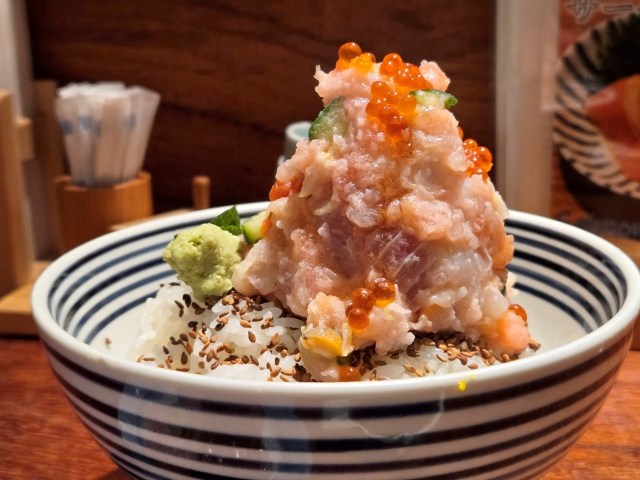
A Japanese diner shares their take on the kaisendon restaurant that’s exploded in popularity amongst overseas tourists.
If you’re curious to explore Japan’s seafood scene beyond sushi and sashimi, you may have heard of a dish called** kaisendon**. Literally meaning “seafood bowl“, kaisendon contains** a variety of raw fish atop a bed of rice**, and the best place to get it, according to overseas visitors who’ve been raving about it online, is at a restaurant chain called Tsujihan.
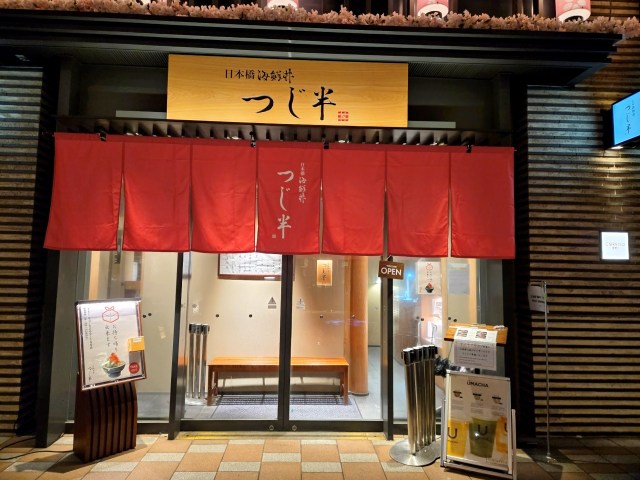
Tsujihan operates a total of nine restaurants, the majority of which are located in Tokyo, and it even has two locations overseas. Our Japanese-language reporter Maro last visited a branch around 10 years ago, and she recalls waiting in line for a long time and that it was very cheap considering its central location, with a kaisendon costing around 1,000 yen (US$6.27) at the time.
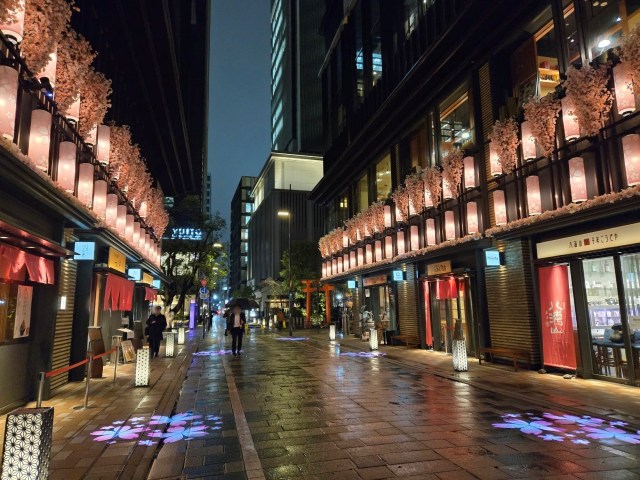
After learning that the chain was now incredibly popular with overseas tourists, who have been sharing videos about the place on social media, Maro was keen to visit again to see if it was worth the hype. As a local who’s been eating raw seafood all her life, she was curious to find out if her fine-tuned palate would join the chorus of praise for the chain, so she stopped by her nearest branch at the Coredo Muromachi complex in Tokyo’s Nihonbashi district.
After stepping inside and being shown to a counter seat, Maro breathed a sigh of relief when she looked at the menu and saw that Tsujihan’s signature “Zetitaku Don” (“Luxury Rice Bowls“) were still being offered, just as they were when she last visited. The system of offering kaisendon at different price points according to the luxuriousness of the ingredients was quite innovative a decade ago, and she was glad to see the system was still in place.
She was also relieved to see that the prices were way cheaper than she’d expected, and despite having gone up, there were still options within the 1,000-yen range.
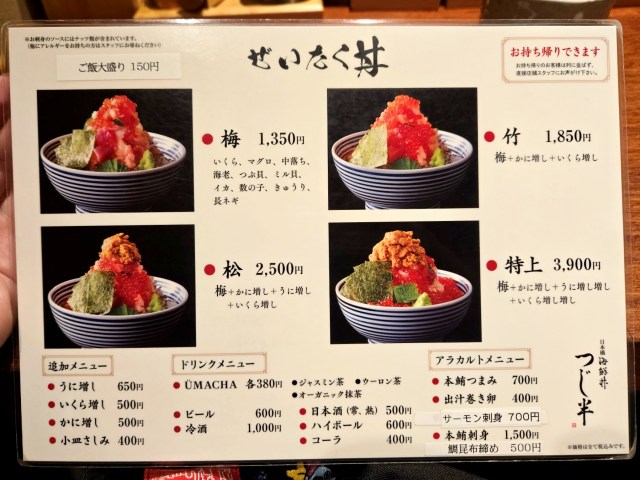
Considering you’re eating a seafood rice bowl right in the heart of the city, these prices feel like even more of a bargain. As you go up the tiers, which are set out according to the traditional ranking system of 梅 (ume / plum), 竹 (take / bamboo), and 松 (matsu / pine), with 特上 (“premium”) included as well, the amount of crab and salmon roe increases, and options such as uni (sea urchin) appear. Though that seemed tempting, Maro was looking to try the cheapest option, so she ordered the ume for 1,350 yen.
▼ The first thing that was brought to her table was a plate of sashimi and a bowl of oy sauce, which came free with the kaisendon.
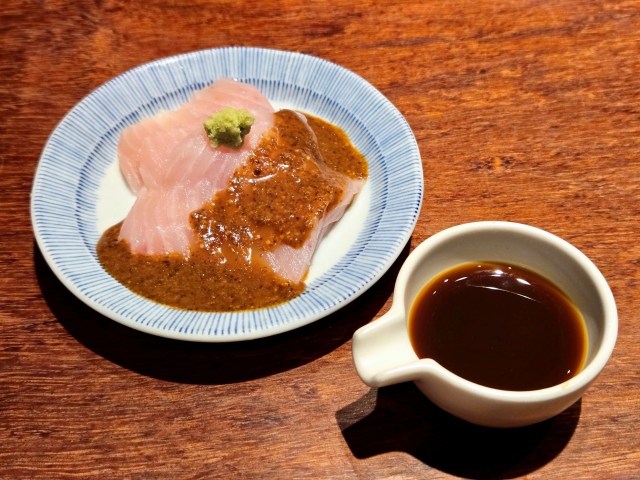
This was a fantastic bonus that immediately put a smile on Maro’s dial, and when she learned that the sashimi served is usually either yellowtail or sea bream, she was even more impressed. These ever-popular popular sashimi varieties are well-known crowd pleasers, and when paired with the soy sauce-flavored sesame dressing, they taste even more divine.
Tsujihan actually recommends holding back from eating all of the sashimi at once, saying you should leave about two slices for later. This has been their style for a long time, and we’ll explain why later.
▼ Soon after, the luxurious rice bowl arrived. Tsujihan calls it a “mountain of seafood”, and true to this description, the ingredients were piled high.
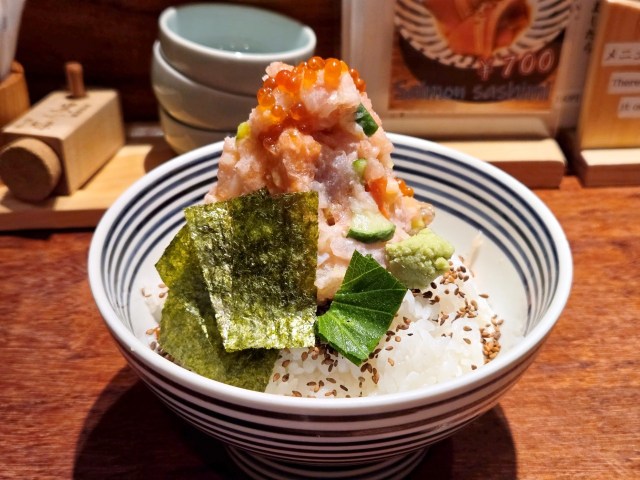
At first glance, it looked like negitoro (finely chopped fatty tuna mixed with green onions), but on a whole different scale. Looking closer, Maro was able to confirm that the topping actually consisted of 10 different ingredients: salmon roe, tuna, minced tuna, shrimp, whelk, surf clam, squid, herring roe, cucumber, and green onion. That was quite a gathering of luxurious ingredients to have in a kaisendon that costs 1,350 yen.
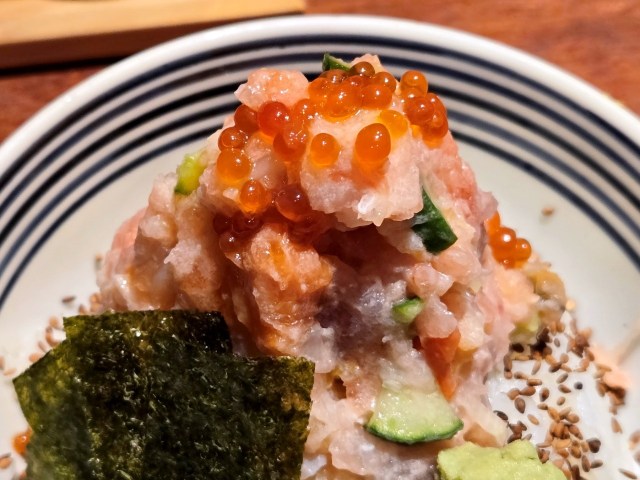
By slowly tucking into the mountain of seafood, you’re able to enjoy a variety of different textures and flavours so your palate is never bored, and the toasted sesame seeds on top of the rice add a nice contrast in texture and flavour.
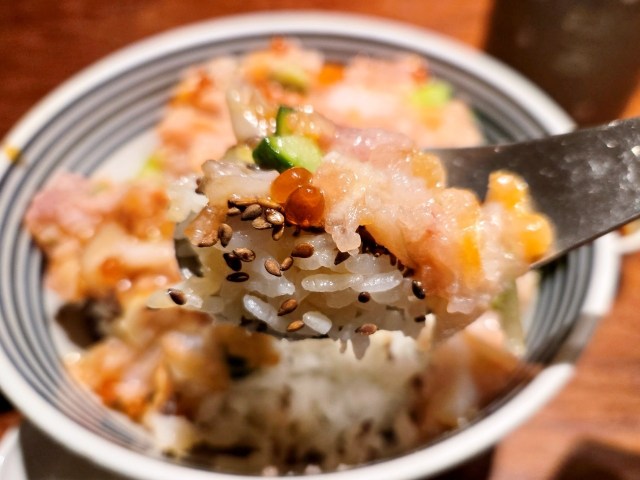
You won’t want to devour the whole bowl straight away, though, because when you have a third left over, you can call out to the chef and they’ll pour a special sea bream broth into your bowl.
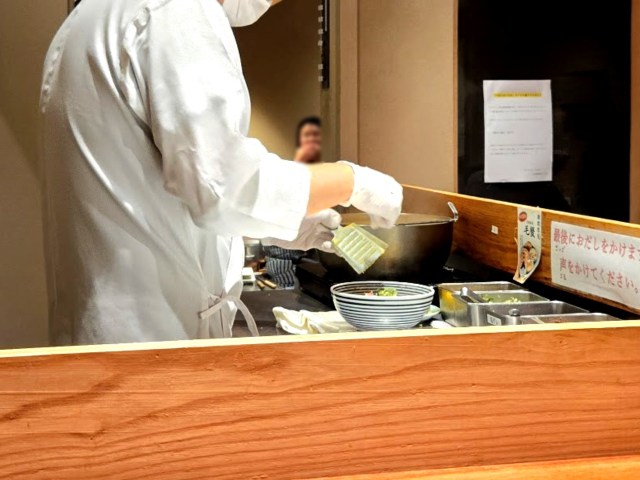
This is when you’ll want to add the leftover sashimi on top, giving **you a creamy seafood chazuke **(chazuke is a traditional dish made by pouring hot tea, broth, or dashi over cooked rice).
▼ One rice bowl, two delicious meals!
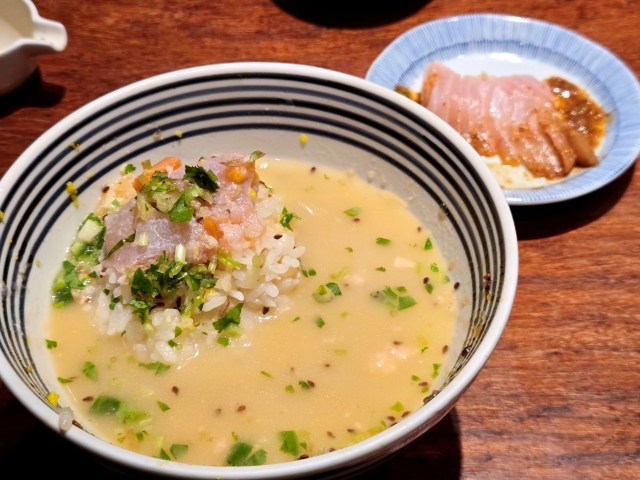
The broth has a strong seafood flavour, but overall the taste is quite mild. It’s a different kind of deliciousness to the seafood rice bowl, and it goes down smoothly even when you’re starting to feel a little full. Maro remembered finishing the meal with a similar chazuke at Tsujihan a decade ago, and it was just as good as she’d remembered it.
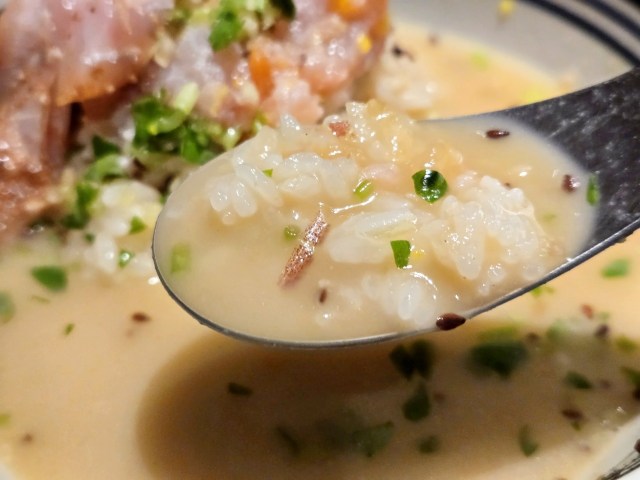
After polishing off her meal, Maro was very satisfied with the taste, quantity, and cost performance.
▼ All this, plus the chazuke broth, for 1,350 yen, is pretty much unheard of in Tokyo.
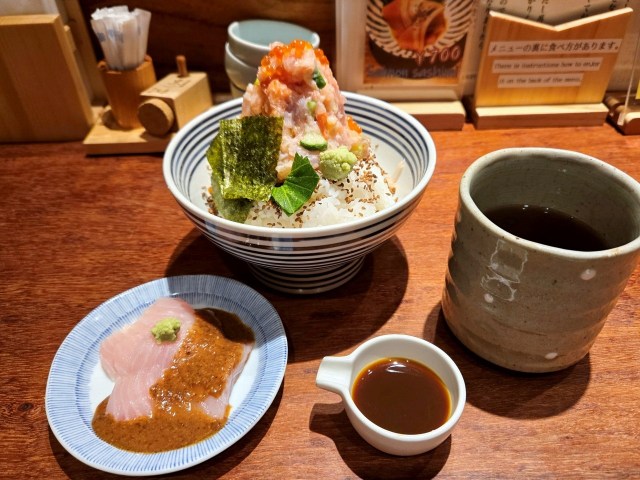
Ten years may have passed since Maro’s last visit, but Tsujihan remains as good as ever, and she’s happy to report that the restaurant really does live up to the hype, much like this noodle chain, which is also a hit with overseas visitors.
Restaurant information Nihonbashi Kaisendon Tsujihan Nihonbashi Store / 日本橋海鮮丼 つじ半 日本橋本店 Address: Tokyo-to, Chuo-ku, Nihonbashi 3-1-15, Kyuei Building 1F 東京都中央区日本橋3-1-15 久栄ビル 1F Open 10 a.m.-10 p.m. Website
Note: This article content is being automatically formatted. For the original source formatting, visit the link below.
Original source:SoraNews24 ↗
More Japan News

Osaka is hosting a “hentai” event, but it’s probably not what you think
No tentacles here, folks! Only beautifully strange plants. If you’ve spent any time online, the word “hentai” probably conjures up some very specific imagery that you may not feel comfortable talking

Fifth high school boy arrested in Tochigi robbery-murder case
The 18-year-old student allegedly used a communication app to introduce the boy, 16, to another, despite knowing he would be used to help carry out the crime.

Japan’s cafe that won’t let you go home until you solve a puzzle is opening in Osaka’s canal district
Hatena Coffee continues to make customers smile as they scratch their heads. The line that separates cafes from regular restaurants can be a hazy one, but most people would say that cafes generally ha