
Top 10 Japanese Matcha Brands: Everything You Need to Know
Everyone is talking about matcha for its superfood benefits, but are all matcha brands the same? Keep reading for a guide to the best Japanese matcha brands!

While Japanese people have long been enjoying the benefits of matcha, the superfood has become increasingly popular overseas in recent years. In fact, the current matcha boom has been making news in Japan. Producers are facing challenges trying to meet demand and consumers are looking at higher prices as supplies run out. As you track down your next cup of matcha, you have to wonder, what’s the difference between one brand and the next? Luckily, we have all the information you need about the top Japanese matcha brands.
Matcha-Producing Regions in Japan
[
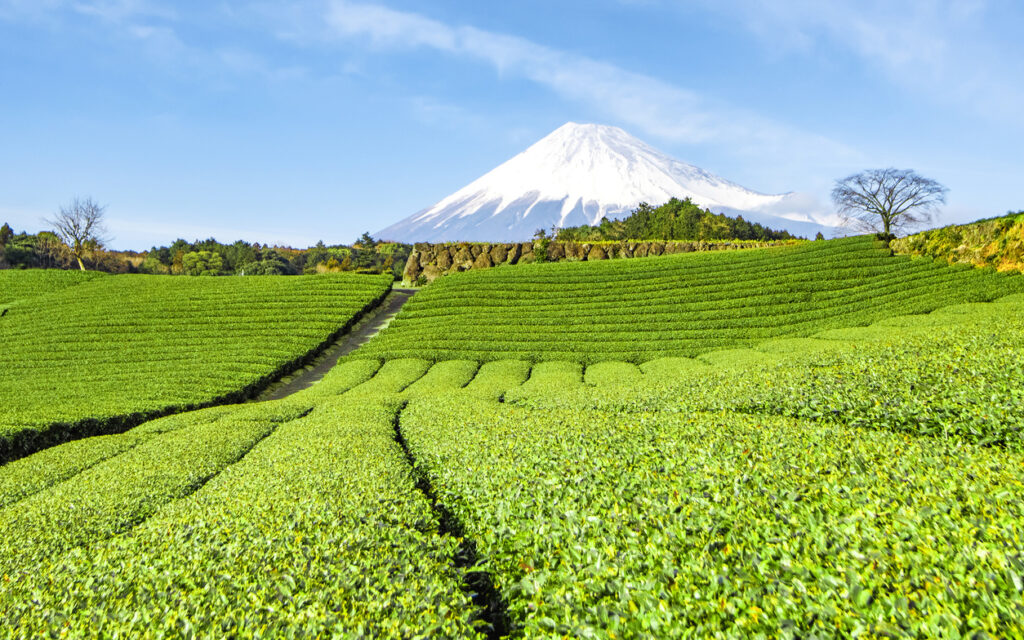
](https://cdn.savvytokyo.com/app/uploads/2026/05/iStock-1318068523.jpg)Head west to check out matcha producing regions in Japan.
Kyoto (Uji)
After tea reached Japan from China via the Buddhist monk Eisai in the late twelfth century, the first place where cultivation of tea began in earnest was Uji. Farmers here also developed the technique of shading the tencha leaves (tea leaves which are made into matcha), which is still used in matcha production today. With this long history, matcha from Uji is known as the most prestigious with many of the top brands today originating in the Edo period and before.
Shizuoka
As the country’s largest tea producer, Shizuoka is famous for its green, refreshing sencha (infused tea leaves). This prefecture’s climate is ideal for tea production with fertile volcanic soil with high drainage, fog and mist from the mountains and fresh water. The matcha produced here in the valleys around Mount Fuji is also said to have a lighter and slightly more astringent taste than other matcha on this list.
Fukuoka (Yame)
Fukuoka’s Yame region is popular for gyokuro (one of Japan’s highest grades of green tea). Its production requires the same shading technique as matcha, thereby increasing its chlorophyll content and the tea’s rich flavor. For matcha as well, Yame farmers’ dedication to the painstakingly covered cultivation is said to result in a full-bodied, mellow taste. Yame matcha has been gaining popularity in recent years for its deep umami notes and comparable sweetness.
Aichi (Nishio)
While Aichi is not a household name for sencha production, the Nishio region has a long history of tea cultivation, dating back to the late 1200s. The tea fields here are almost exclusively dedicated to the tencha leaves which become matcha. With a climate similar to Uji, with hot summers and cool winters and soil with good drainage, Nishio matcha is said to be full-bodied, with a balanced taste profile and a strong fragrance.
What to Know When Buying Matcha
[
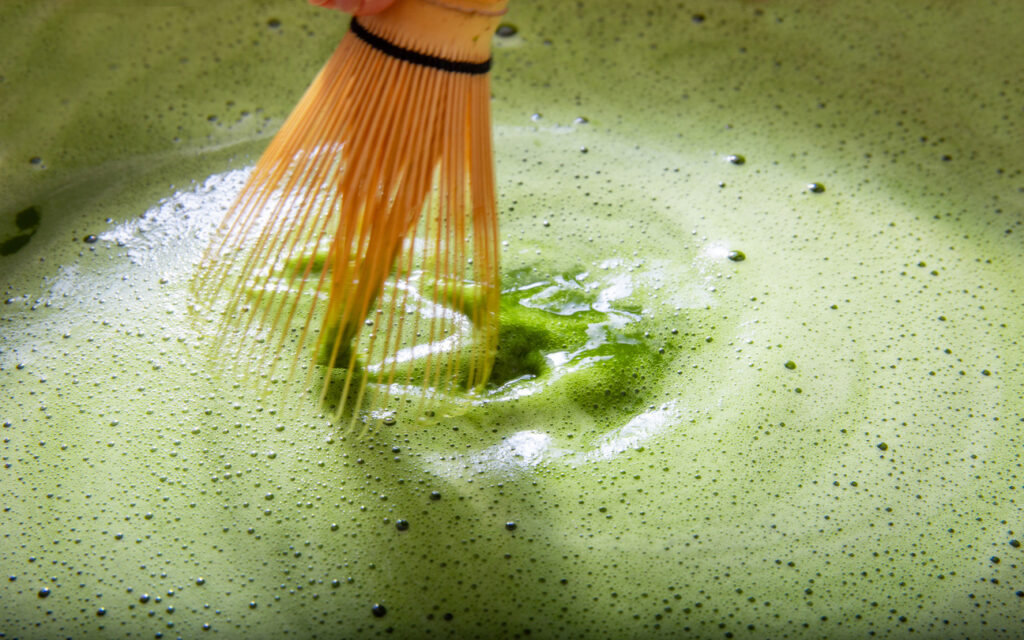
](https://cdn.savvytokyo.com/app/uploads/2026/05/iStock-2140491013.jpg)For first-time buyers, here’s what you need to consider.
Light vs Rich
When you are looking to buy matcha to drink, you will notice that it is often ranked from usui (light) to koi (rich). These designations refer to flavor profiles as well as color and aroma. Usucha (light matcha) has more astringency, a lighter green color and a less strong flavor and fragrance. Koicha (rich matcha) has a brighter and a darker color, with rich sweetness and umami in both taste and aroma. It is often made with twice as many leaves as usucha. As such, koicha is usually more expensive than usucha and can be harder to purchase.
Buying in-person
So, where should you buy matcha? In addition to the online stores of several top brands from the main producing regions that we list below, you should definitely head to your local department store. Many famous and local tea companies have branches in the depachika (department store basement), where you can find matcha and store clerks well-versed in explaining its nuances (in Japanese). Some stores even have English pamphlets to help you make your purchasing choices.
Best Japanese Matcha Brands
1. Tsujiri (Kyoto)
[
](https://cdn.savvytokyo.com/app/uploads/2026/05/Tsujiri-Kyoto.jpg)
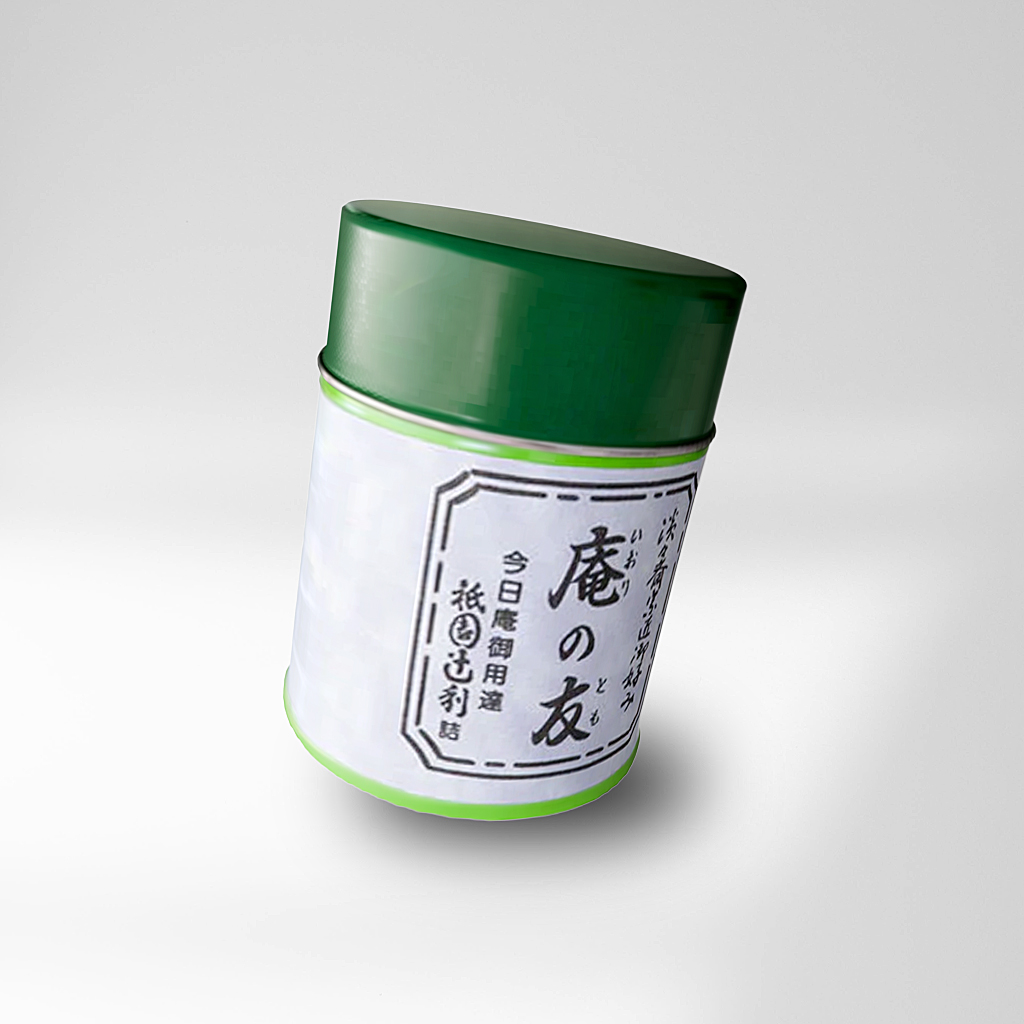
Founded in 1860, this tea specialty shop in Gion, Kyoto, offers a wide range of products, from Japanese green teas such as matcha, *hojicha *(roasted green tea), sencha and a wide range of sweets.
**Recommended Matcha: ***Iori no Tomo *matcha uses the traditional stone mill method. It has excellent color, foam and perfect balance of tea flavor. Its rich aroma, mellow umami and sweetness are exceptional.
Where to Buy:
-
Store Location: 573-3 Gionmachi Minamigawa, Higashiyama Ward, Kyoto (map)
2. Fukujyuen (Kyoto)
[
](https://cdn.savvytokyo.com/app/uploads/2026/05/Fukujyuen-Kyoto.jpg)
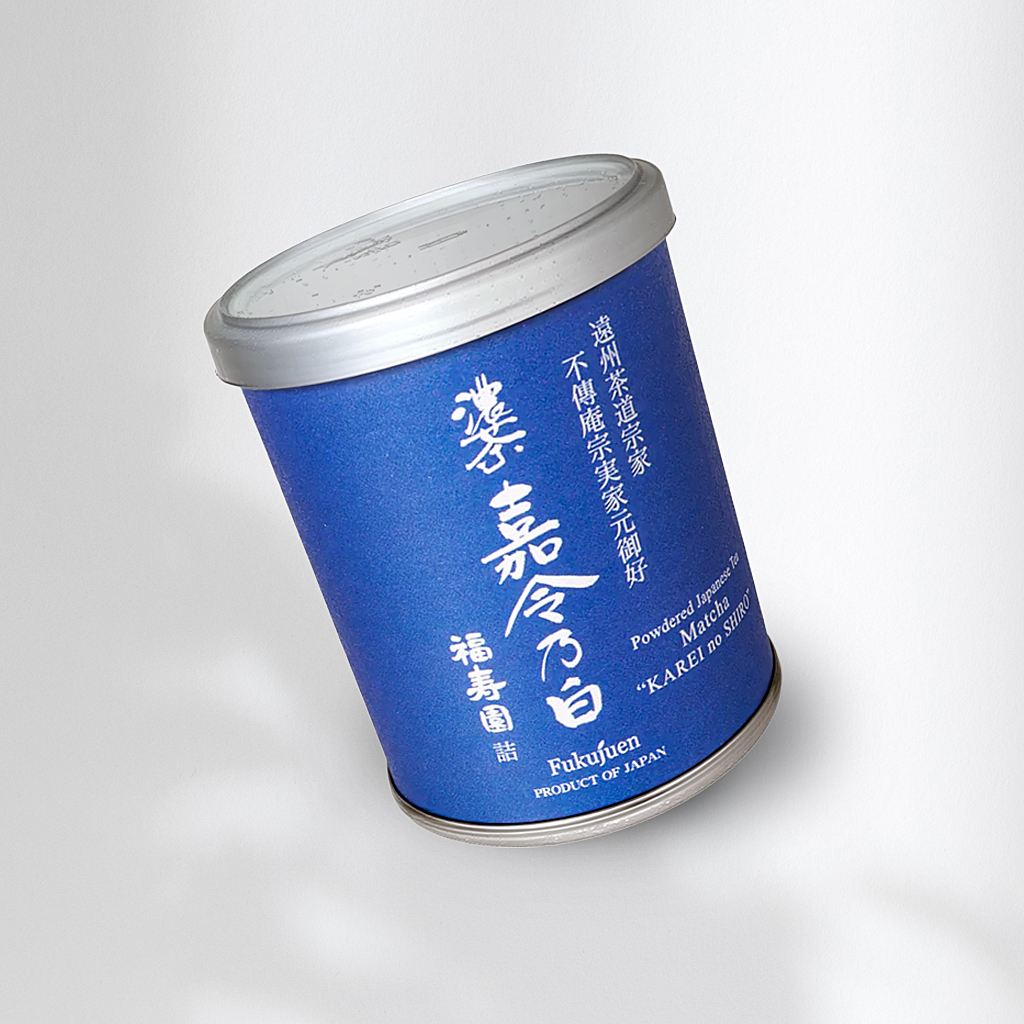
Since its founding in 1790, this Kyoto tea shop has dedicated itself solely to tea and has been cultivating and selling Japanese green teas, including matcha, gyokuro, sencha, *genmaicha *(roasted rice green tea) and hojicha for over 230 years.
**Recommended Matcha: **Fukujyuen features a number of highly-prized matcha used in tea ceremonies, such as the Koicha Karen no Shiro. This matcha is blended with tencha (raw, unground tea leaf), creating a deep umami flavor and sweetness.
Where to Buy:
-
Store Location: 19 Tachiuri Higashimachi, Shimogyo Ward, Kyoto (map)
3. Marukyu-Koyamaen (Kyoto)
[
](https://cdn.savvytokyo.com/app/uploads/2026/05/Marukyu-Koyamaen-Kyoto.jpg)
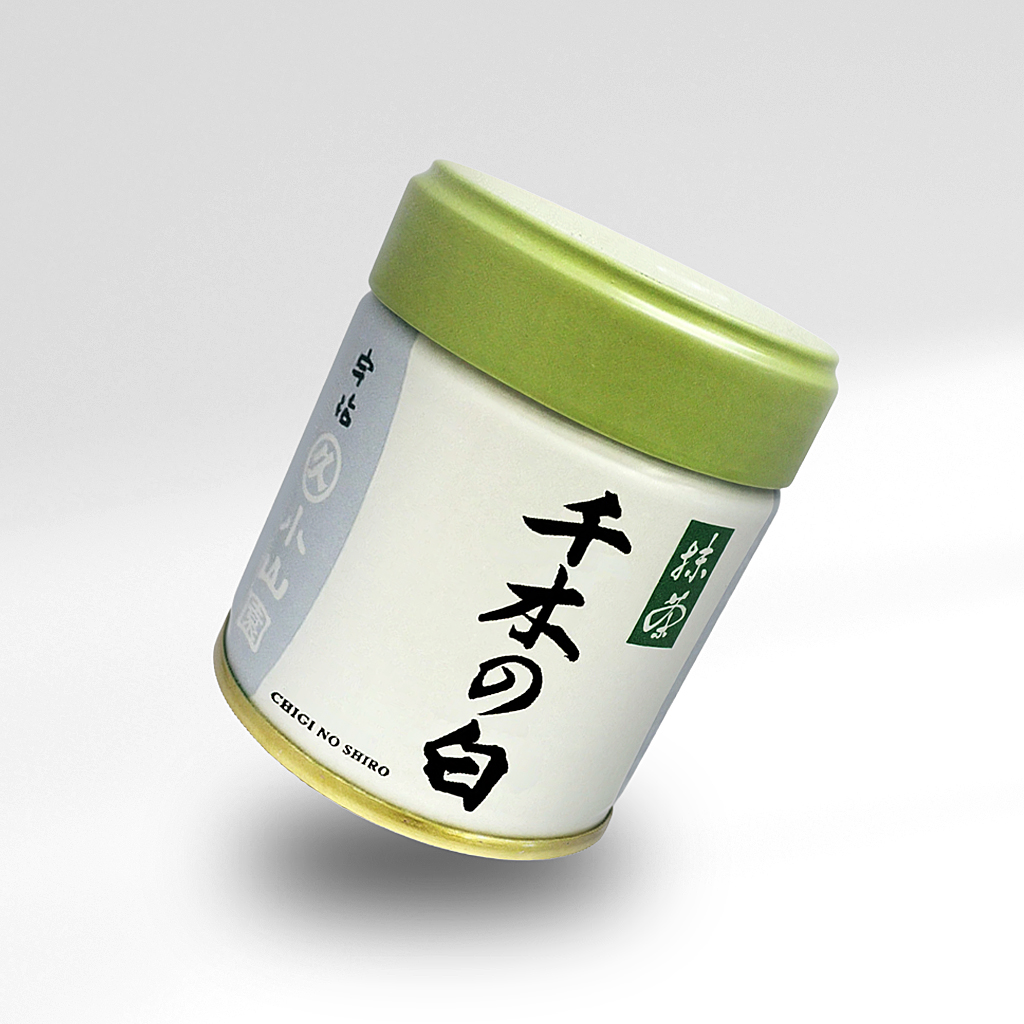
In 1704, Kyujiro Koyama, the founder of Marukyu-Koyamaen, began cultivating green tea in Uji, Kyoto. The company has been producing high-quality Japanese green teas for hundreds of years for shrines, temples, and tea ceremony schools across Japan.
**Recommended Matcha: ***Chigi no Shiro *is a mellow matcha with a light astringency, umami and a distinct green aroma. It has been served to visitors of Ise Grand Shrine at its annual Spring Kagura festival for 80 years.
Where To Buy:
-
Store Location: 86 Terauchi, Ogura-cho, Uji City, Kyoto (map)
4. Ippodo Tea (Kyoto)
[
](https://cdn.savvytokyo.com/app/uploads/2026/05/Ippodo-Tea-Kyoto.jpg)
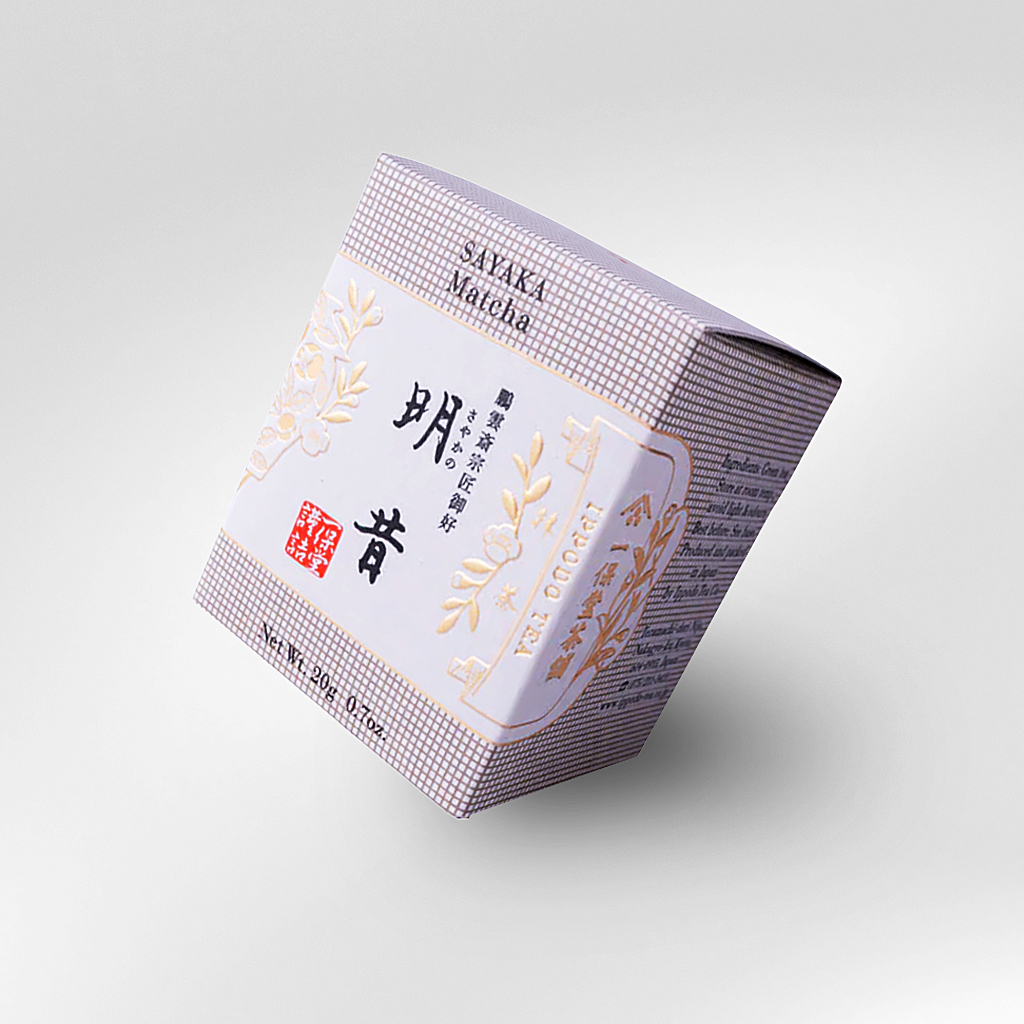
This store dates back to 1717, when the merchant Rihei Watanabe established it as a tea and pottery shop. The shop was named Ippodo (preserved one) by Prince Yamashima, who cherished the tea and from 1846, the company began focusing solely on green tea production.
Recommended Matcha: Sayaka-no-mukashi offers a good balance of umami and moderate astringency, characterized by a rich, vegetable-like flavor and a sweet aftertaste. It is those trying matcha for the first time and for making matcha lattes.
Where to Buy:
-
Store Location: 52 Tokiwagicho, Nakagyo Ward, Kyoto (map)
5. Yamamotoyama (Kyoto)
[
](https://cdn.savvytokyo.com/app/uploads/2026/05/Yamamotoyama-Kyoto.jpg)
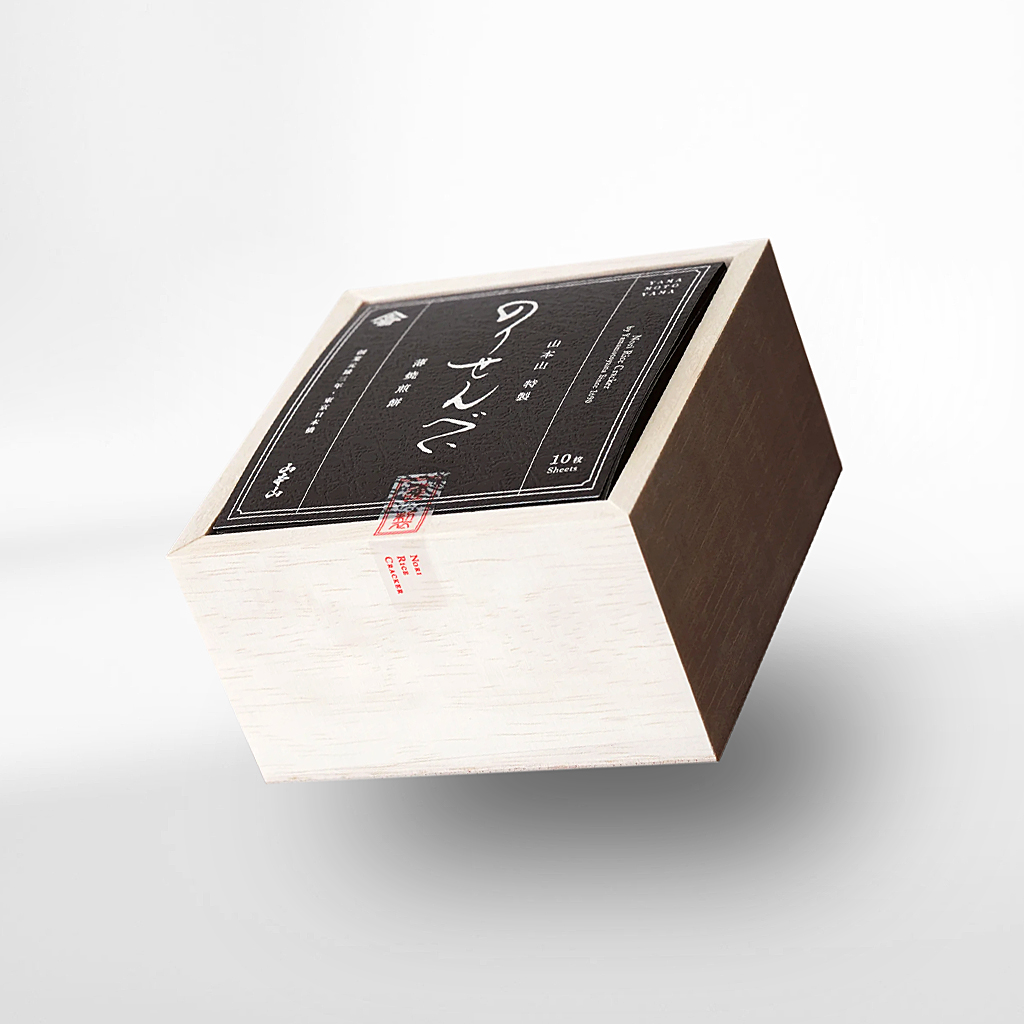
Founded in 1690, Yamamotoyama is the oldest tea merchant in Japan and also a famous producer of nori (dried seaweed) since the Edo Period. The store gained a reputation for its tea and nori products after its founder, Kahei Yamamoto, originally from Kyoto, began selling Uji tea in Nihonbashi, Tokyo.
**Recommended Matcha: **Matcha Yamamotoyama is well-balanced, with mild astringency and offers a pleasant finish.
Where to Buy:
-
Store Location: 2-4-1 Nihonbashi, Chuo Ward, Tokyo (map)
6. Honyama (Shizuoka)
[
](https://cdn.savvytokyo.com/app/uploads/2026/05/Honyama-Shizuoka.jpg)
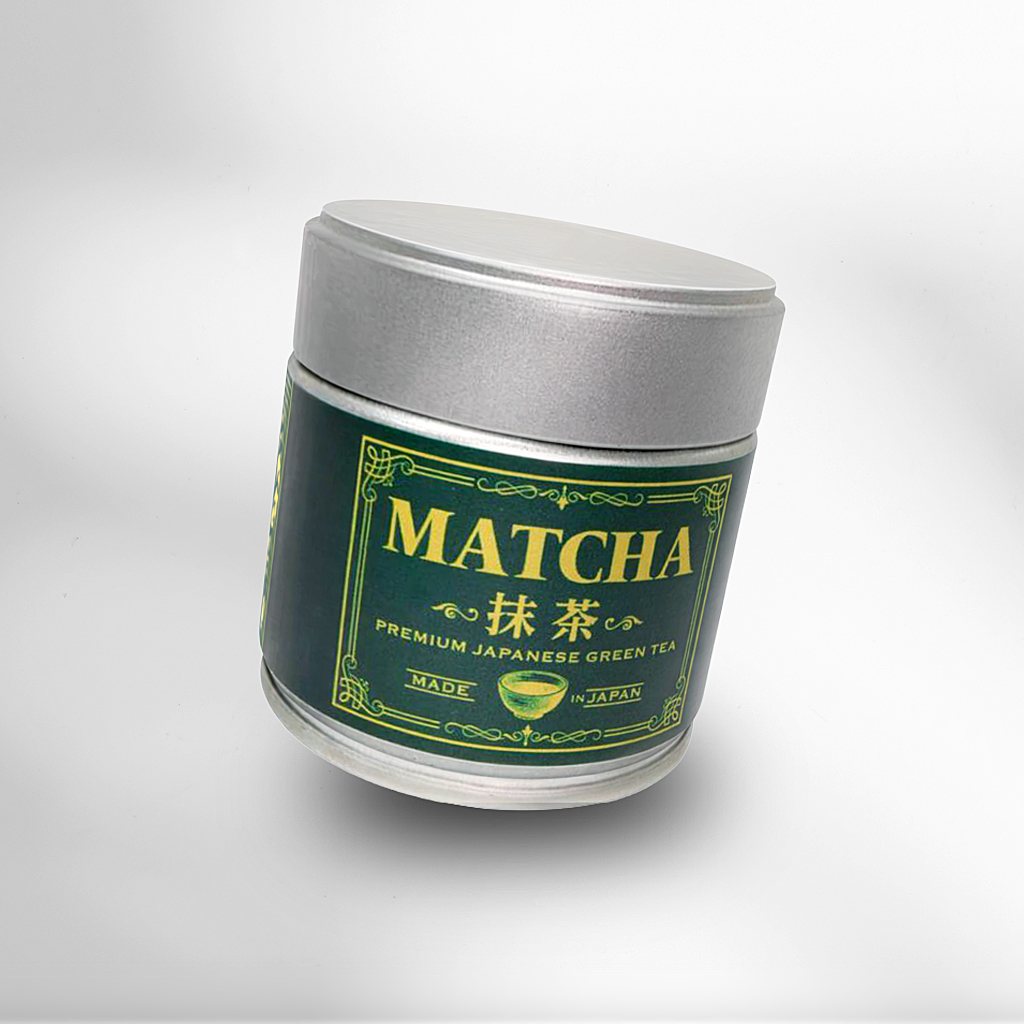
Tea has been cultivated in Honyama for about 800 years, and for the last 100, Honyama Seicha has been at the forefront of tea production. The tea leaves used here are all from dedicated farms in Honyama and the matcha produced honors the natural taste of the area’s climate.
**Recommended Matcha: **Honyama’s Matcha (Green) is a great example of Shizuoka matcha with refreshing flavor notes. It is ideal as an everyday and approachable matcha, easy to drink and a lovely accompaniment to sweets.
Where to Buy:
7. Osadaen (Shizuoka)
[
](https://cdn.savvytokyo.com/app/uploads/2026/05/Osadaen-Shizuoka.jpg)
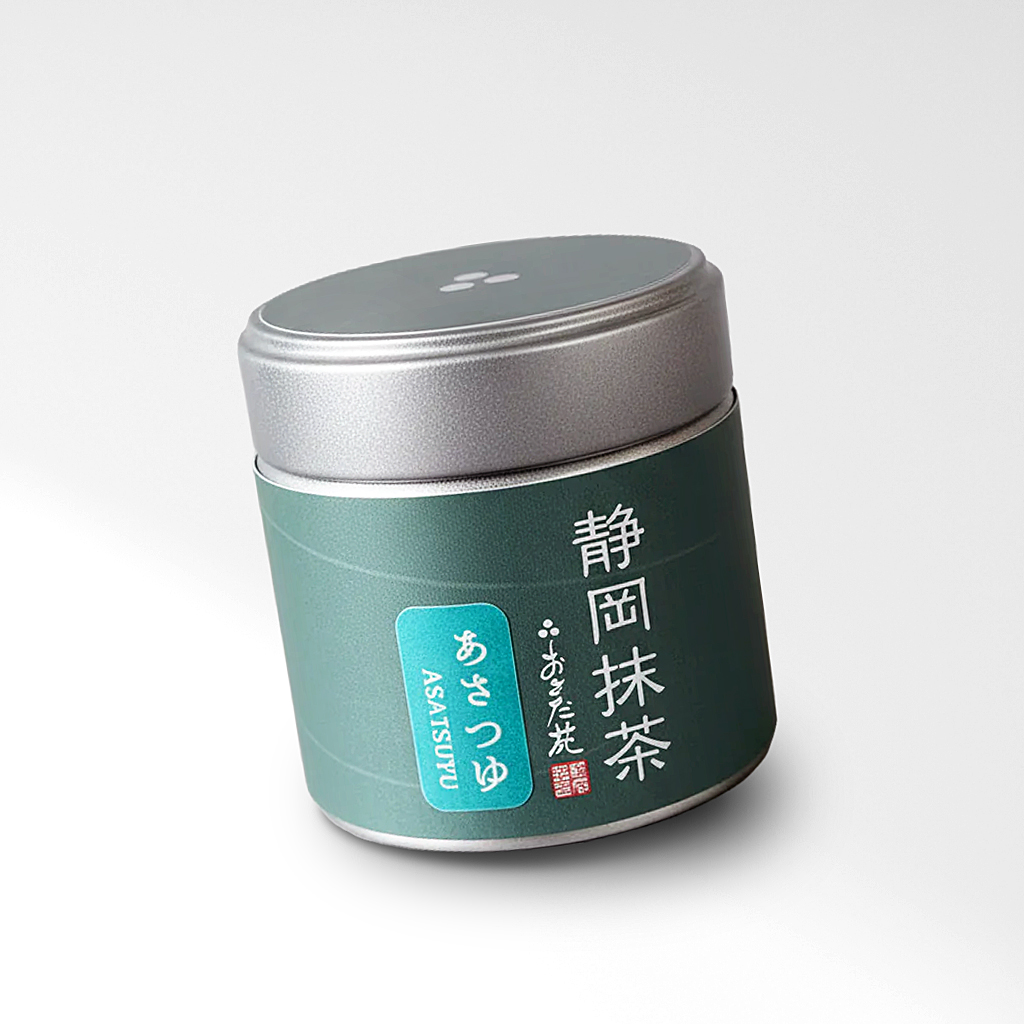
Starting out as a tea wholesaler in 1948, Osadaen eventually became a domestic and international award-winning producer of green teas. If you are able to make it to their main shop, be sure to try their freshly-ground Nono matcha tea alongside other matcha treats, ranging from soft serve ice cream and ice cream sandwiches.
**Recommended Matcha: **Asatsuyu has very little bitterness. Its sweetness is similar to that of gyokuro, one of the highest-quality varieties of Japanese green tea.
Where to Buy:
-
Store Location: 1522-1 Mori, Shuchi District, Shizuoka (map)
8. Kurihara Seicha (Fukuoka)
[
](https://cdn.savvytokyo.com/app/uploads/2026/05/Kurihara-Seicha-Fukuoka.jpg)
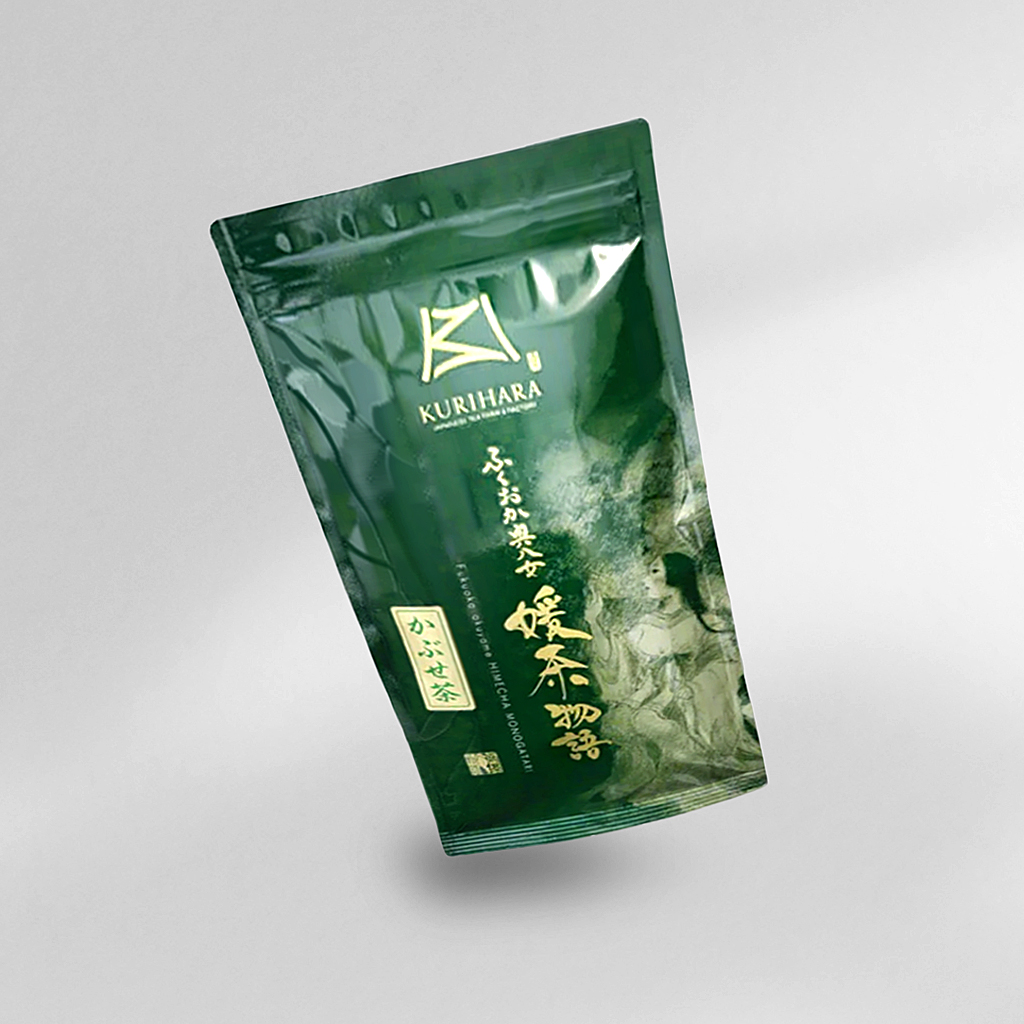
Producer of award-winning gyokuro green tea, Kurihara Seicha started as a tea wholesaler in 1922 before becoming a cultivator in 1942. Today, it remains a family-owned business with four generations of experience.
**Recommended Matcha: **Ayahime is cultivated at high altitudes in the mountains around Yabemura in Yame City. Rich in taste with only a hint of astringency, it makes for a particularly smooth cup of matcha.
Where to Buy:
9. Kogacha (Fukuoka)
[
](https://cdn.savvytokyo.com/app/uploads/2026/05/Kogacha-Fukuoka.jpg)
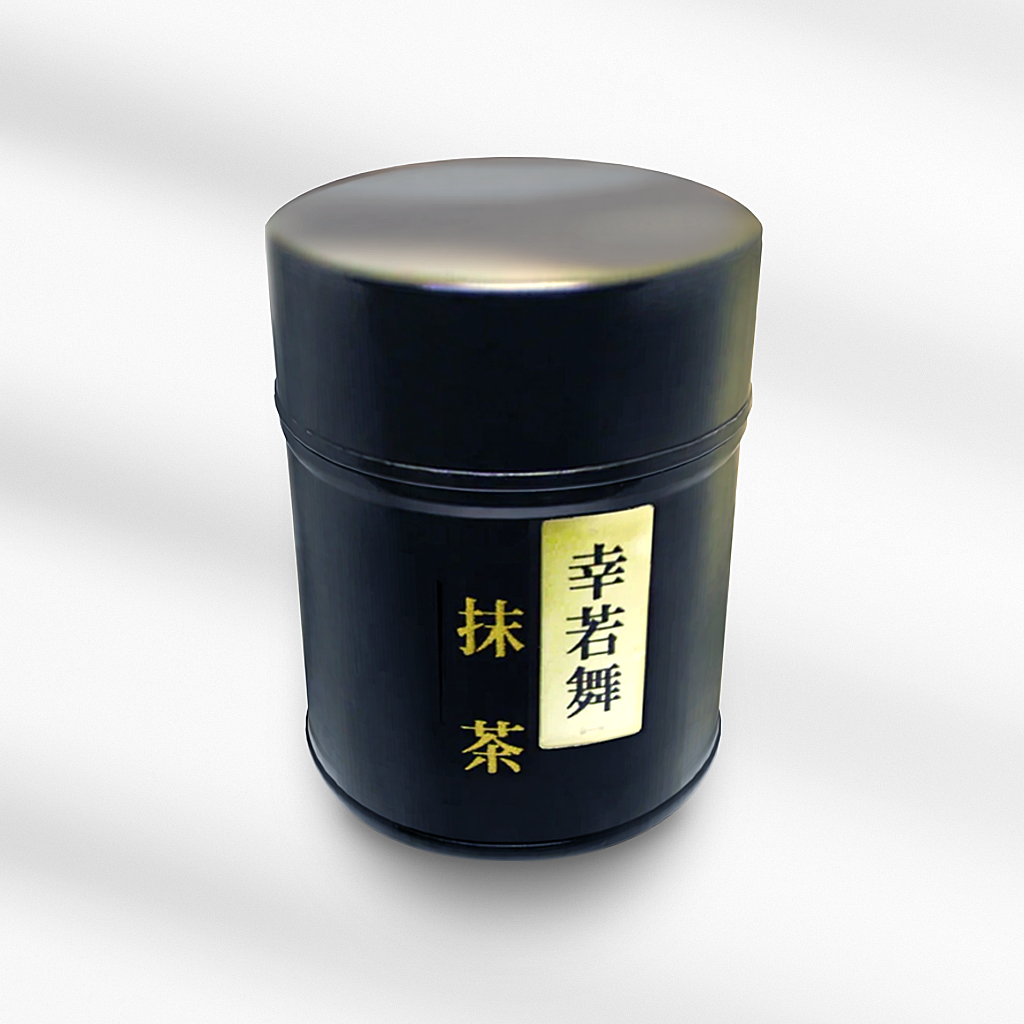
Since 1938, Kogacha has been producing gyokuro. With that expertise in hand as well as the Yame region’s ideal cultivation climate, Kogacha has also made a name for itself, producing Kyushu’s high-quality matcha.
**Recommended Matcha: ***Man-Yo no Kanmuri *matcha is a tea-ceremony grade, rich and sweet koicha with low astringency.
Where to Buy:
-
Store Location: 493-1 Setakamachi Shimonosho, Miyama, Fukuoka (map)
10. Aoi Seicha (Aichi)
[
](https://cdn.savvytokyo.com/app/uploads/2026/05/Aoi-Seicha-Aichi.jpg)
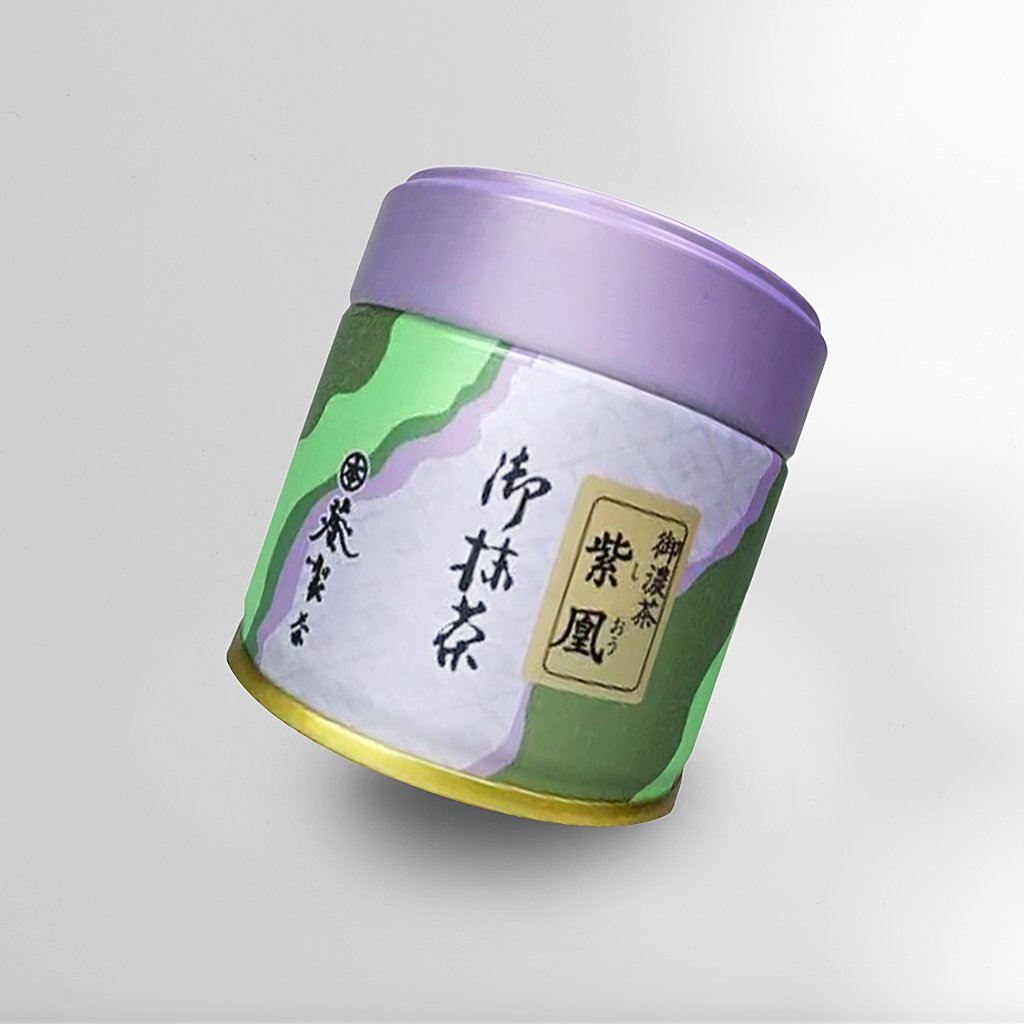
For over 100 years, Aoi Seicha has taken advantage of the favorable conditions along the Yahagi River to produce high-quality green tea and matcha.
**Recommended Matcha: **Although Aoi Seicha’s award-winning premium Shio matcha is the brand’s most coveted offering, Kijyunomukashi comes highly recommended. It has a high proportion of top-tier tea leaves, allowing it to make a rich cup of green or a light one.
Where to Buy:
-
Store Location: 7 Kamiyashiki, Kamimachi, Nishio City, Aichi Prefecture (map)
*Which of these Japanese matcha brands is your favorite? Let us know your recommendations in the comments! *
Note: This article content is being automatically formatted. For the original source formatting, visit the link below.
Original source:Savvy Tokyo ↗
More Japan News

Krispy Kreme Japan is bringing two special donuts to the most-forgotten big city in the country
Local sweets-fan favorite serves as inspiration for one of two donuts not available anywhere else in the world. You’d think it’d be hard for a city of nearly two and a half million people to get overl

‘Soul Mate’ reaches for pathos but remains hollow
With a globe-spanning story and plenty of melodrama, Netflix's queer-themed limited series ultimately falters under the weight of its own ambiguity.

Heated tobacco products may be more harmful than cigarettes, Japan panel review says
The literature review found that heated tobacco products may produce greater amounts of cancer-causing substances than regular cigarettes.