
Tomioka Silk Mill: An Easy Day Trip to Gunma
Tomioka Silk Mill is a UNESCO World Heritage site in Gunma. Learn why it’s an easy and underrated day trip from Tokyo.
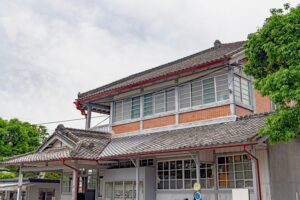
How many of Japan’s 26 UNESCO World Heritage sites have you visited? While places like Himeji Castle, Itsukushima Shrine and Mount Fuji draw huge crowds, others remain surprisingly under the radar. One of them is the Tomioka Silk Mill (Tomioka Seishijo) in Gunma Prefecture.
Opened in 1872 and closed in 1987, it was Japan’s first government-run silk-reeling factory and played a key role in the country’s rapid modernization during the Meiji era.
It may not sound like the most exciting destination at first—but that’s exactly what makes it so surprising. This article explores why Tomioka Silk Mill exceeds expectations and makes a rewarding, low-key day trip from Tokyo.
Surprisingly Massive
Tomioka Silk Mill now operates as a factory tour site and was designated a UNESCO World Heritage site in 2014 as part of the “Tomioka Silk Mill and Related Sites” industrial heritage listing. At first glance, it might sound like a quiet historical facility with limited displays. But that impression doesn’t last long.
After parking nearby and approaching through a street lined with small shops selling snacks and omiyage (souvenirs), visitors are met with a sweeping kawara-tiled roof atop a long brick structure.
This is the Higashi Okimayujo, or East Cocoon Warehouse—one of several National Treasure buildings on the grounds. Its scale is immediately striking, and it quickly challenges the idea that this is just a small, old factory site.
Start at The Warehouse
[

](http://cdn.gaijinpot.com/app/uploads/sites/4/2026/04/Visitors-approach-the-main-gate-of-Tomioka-Silk-Mill.jpeg)Visitors approach the main gate of Tomioka Silk Mill.
Beyond the entrance gate, the tour typically begins at the East Cocoon Warehouse (Higashi Okimayujo). Measuring over 100 meters in length, the building houses an exhibition hall introducing the history of the mill, its architecture and the development of Japan’s silk industry.
Learning a bit of background here helps put the rest of the site into context. Without it, it can be difficult to fully grasp what you’re looking at. That said, it’s easy to get overwhelmed, so it’s worth skimming the key points before moving on.
As you continue through the grounds, the story of the mill and the silk industry becomes clearer. The site is extensive, so pacing yourself early on helps.
Inside Workers’ Lives
[

](http://cdn.gaijinpot.com/app/uploads/sites/4/2026/04/Tomioka-Silk-Mill-Museum.jpeg)Visitors explore exhibition displays inside one of the former warehouses.
The route continues to the Nishi Okimayujo, or West Cocoon Warehouse, another National Treasure building. Inside, life-size displays—including stacks of cocoon bags and historical materials—illustrate the realities of the silk industry and the lives of the workers who supported it.
As you move through the exhibits, it becomes clear that the mill was part of Japan’s push to modernize during the Meiji era, when the government actively imported Western technology and expertise to strengthen its economy.
Foreign specialists were brought in to guide operations, and workers learned new techniques through hands-on experience. People from across Japan came here as trainees, helping shift the country from traditional hand-reeling methods to mechanized production.
Surprisingly Progressive Conditions
[
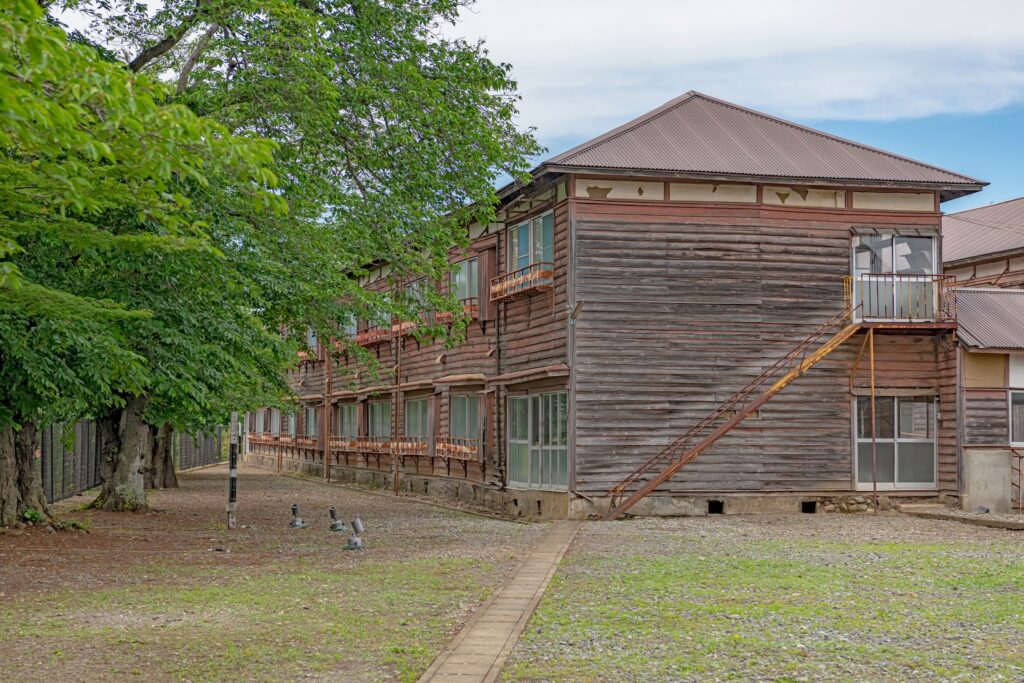
](http://cdn.gaijinpot.com/app/uploads/sites/4/2026/04/Dormitory-of-the-Tomioka-Silk-Mill.jpeg)Dormitory of the Tomioka Silk Mill.
In the early years after opening in 1872, around 400 female workers—many of them young trainees—worked eight-hour days, with Sundays off and seasonal breaks. They were also provided with dormitories, meals and access to medical care.
At the time, these conditions were relatively progressive, especially compared to those in other industrial workplaces during the early stages of industrialization. However, after the factory was transferred to private ownership in 1893, working conditions gradually worsened. Hours increased to over 10 per day, and regular rest days became less frequent.
Even so, conditions remained better than at many other private silk mills in Japan, where shifts could exceed 14 hours. The experiences of these workers contributed to the growing awareness that eventually led to improved labor protections.
Machines like Modern Art
[
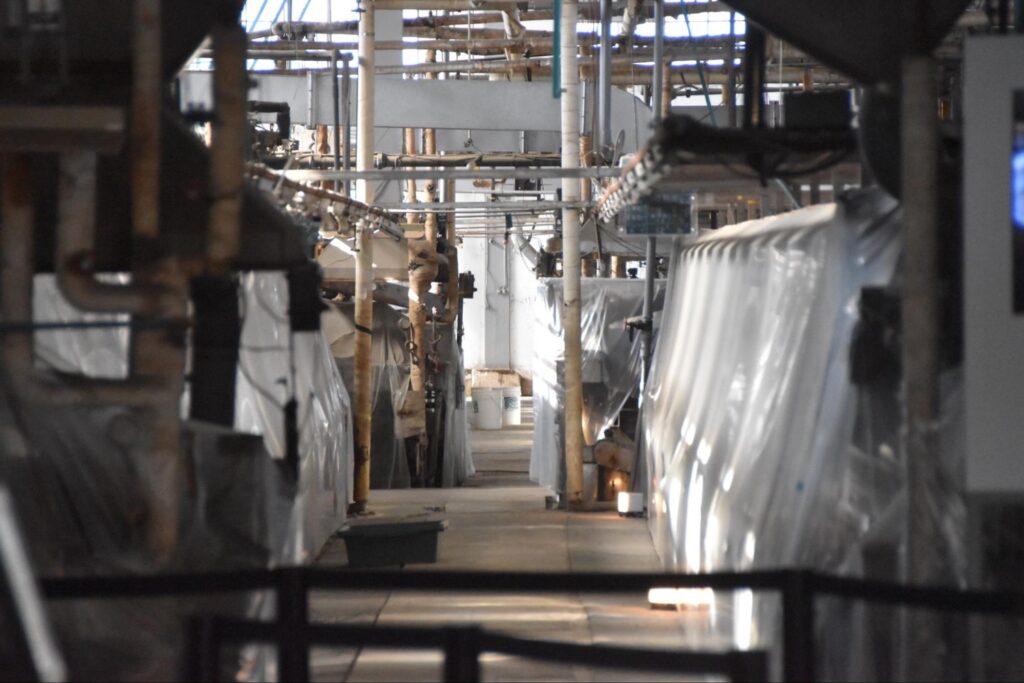
](http://cdn.gaijinpot.com/app/uploads/sites/4/2026/04/Rows-of-preserved-silk-reeling-machines-line-the-interior-of-the-Reeling-Mill.jpeg)Rows of preserved silk-reeling machines line the interior of the Reeling Mill.
The Reeling Mill is another highlight. After passing the warehouses and former worker housing, visitors arrive at a large open structure filled with rows of preserved silk-reeling machines.
Left largely as they were when operations ended in 1987, the machines stretch across the floor in neat, repeating lines. The symmetry gives the space an almost gallery-like feel—closer to a modern art installation than an industrial site.
At scheduled times, demonstrations show how silk threads were drawn from cocoons using these machines, offering a clearer sense of how the process worked in practice.
Nearby stands the Director’s Residence, once home to French engineer Paul Brunat, who was brought in by the Meiji government to oversee operations and introduce modern techniques.
The Western-style house is large and imposing, and at the time, Brunat and his wife’s lifestyle would have appeared quite striking to Japanese workers.
Getting There
[

](http://cdn.gaijinpot.com/app/uploads/sites/4/2026/04/Pixta-Shiki-Joshu-Tomioka-Station.jpeg)Joshu-Tomioka Station
Despite its location in Gunma, Tomioka Silk Mill is relatively easy to reach from Tokyo. By train, the closest station is Joshu-Tomioka Station (上州富岡駅) on the Joshin Dentetsu line. From Tokyo, the journey typically takes around two hours, with a transfer at Takasaki Station. From there, it’s about a 10–15 minute walk to the site.
Driving is also convenient. The Tomioka Interchange on the Joshin-etsu Expressway is about 10 minutes away, and the total drive from central Tokyo takes roughly 1 hour and 45 minutes, depending on traffic.
Compared to more crowded heritage sites in places like Kyoto or Nikko, Tomioka offers a quieter, more relaxed experience. For those based in Tokyo, it makes an easy and worthwhile day trip—especially if you’re looking for something a little different.
Note: This article content is being automatically formatted. For the original source formatting, visit the link below.
Original source:GaijinPot Blog ↗
More Japan News

New Rules for Language Students in Japan From 2026
Japan's Immigration Services Agency just released new rules that will affect current and prospective Japanese language students from 2026.

Japan Startup Visa (2026): How to Start a Business in Japan
Learn how Japan’s Startup Visa works in 2026, including requirements, application steps and how to transition to a Business Manager visa.

2026 Top Jobs in Japan Week 16
Apply to open roles in influencer marketing, English teaching, operations and more in this week's Top Jobs in Japan!