
Starbucks Japan complexly raises prices, will now charge for takeout bags
Archived Content: This article was published over 30 days ago. Travel rules and prices may have changed.Check official sources.
Ecological goals and economic concerns mean no more free bags and more by-location price variations. There’s been a lot for Japanese Starbucks fans to be happy about over the last few days, as the cha
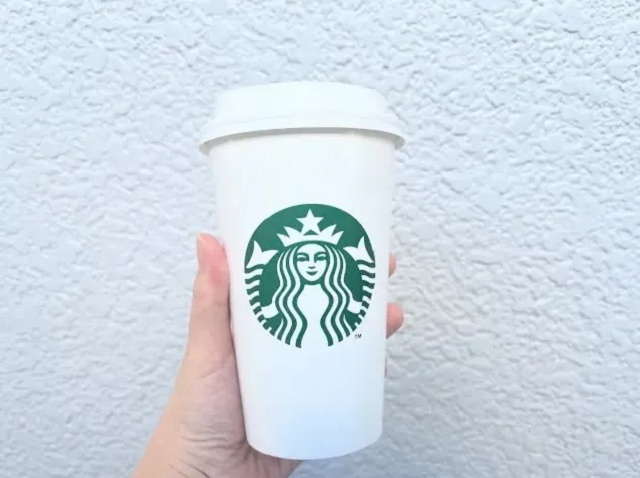
Ecological goals and economic concerns mean no more free bags and more by-location price variations.
There’s been a lot for Japanese Starbucks fans to be happy about over the last few days, as the chain rolled out its new sakura beverages and drinkware. But while those additions to Starbucks’ menu and merch catalog are putting smiles on many people’s face, there are some less crowd-pleasing ones going into effect too.
Starting with the one that has a silver lining, as of February 18 Starbucks Japan branches will no longer be providing free bags to takeout customers. Instead, customers who need a bag and haven’t brought one of their own will be charged 11 yen (approximately 7 U.S. cents) per order, and can receive a number of bags up to the number of items they’re purchasing. It’s a very modest fee, and is part of Starbucks’ initiative to reduce the chain’s environmental impact by encouraging customers to bring their own reusable shopping bags.
▼ Since 2009, Starbucks Japan has been using FSC (Forest Stewardship Council)-approved sustainable-source paper for its takeout bags, but they want to be even more ecologically friendly.

The less popular change, though, will be that Starbucks is raising its prices, or, to use their press release’s terminology, “adjusting” them, in response to “rising materials and energy costs.”
The nature of the price increases is complex and vague. To start with, in 2025 Starbucks introduced a system of** “location-specific pricing,”** with Starbucks locations inside certain Japanese airports and expressway rest stops put into the category** Location A**, and branches in major metropolitan areas such as Tokyo’s 23 central wards and Osaka in the Location B classification. Prices at Location A Starbucks are, on average, six percent higher than they are in a normal Starbucks, and at Location B branches they’re four percent higher than the norm. In total, about 30 percent of Starbucks Japan branches are in either the Location A or B group.
Under the new system, though, Starbucks will be transferring some of the Tokyo 23-wards branches to the more expansive Location A group. In addition, while the beverage prices for Location A and B branches will not change, at Starbucks Japan’s remaining branches (i.e. those with the cheapest prices under the old system), prices for some permanent-menu beverages will be increased by 5 to 30 yen. And at all participating Starbucks Japan branches, regardless of location classification, the price for the chain’s “One More Coffee” brewed coffee refill service will be increased by 20 yen, and some regular-menu food items will have their prices raised by between 5 and 30 yen.
None of these are massive changes, but with consumers in Japan growing exhausted at the constant string of prices for just about everything going up while most workers’ wages remain stagnant, being asked to pay more for what’s supposed to be discretionary, “fun” eating and drinking probably isn’t going to sit well with some people. In addition, while it might be a common practice in the U.S., in Japan it’s somewhat unusual for a national chain to charge different prices based on branch location. Starbucks Japan isn’t the first company to do so (McDonald’s Japan also charges different prices for certain items depending on location), but Starbucks does run the risk of being seen as trying to squeeze every last yen they can out of their customers by saying that people in certain parts of Tokyo have to pay more for the same cup of coffee than they would in another part of the country, or even another part of the same city.
All that said, with how consistently crowded Starbucks Japan branches in prime locations are, Starbucks probably isn’t too worried about losing a handful of customers if they can earn more per person who does buy something.
Top image ©SoraNews24
Note: This article content is being automatically formatted. For the original source formatting, visit the link below.
Original source:SoraNews24 ↗
More Japan News
![Famous Tokyo cherry blossom spot installs view-blocking screens to fight overcrowding[Video]](/_next/image?url=https%3A%2F%2Fsoranews24.com%2Fwp-content%2Fuploads%2Fsites%2F3%2F2026%2F03%2Fnm-1.jpg&w=3840&q=75&dpl=dpl_DuoQqUnYL5GC5GET2uZCQy5sgzxB)
Famous Tokyo cherry blossom spot installs view-blocking screens to fight overcrowding[Video]
Once an under-the-radar sakura spot, this neighborhood near Shibuya has become dangerously congested. Around 20 years ago, Nakameguro was still one of Tokyo’s less famous, if-you-know-you-know cherry

Starbucks Japan adds new Sencha Matcha Tea Frappuccino to its menu, but only at 28 locations
Expand your knowledge of Japanese tea culture with three new green “experiences”. With spring comes fresh harvests of green tea, and Starbucks is reminding us of that with the grand unveiling of three
![Final Fantasy invites you to adventure in Fukushima with Fukushima Fantasy Chocobo fun[Video]](/_next/image?url=https%3A%2F%2Fsoranews24.com%2Fwp-content%2Fuploads%2Fsites%2F3%2F2026%2F03%2Fff-1.jpg&w=3840&q=75&dpl=dpl_DuoQqUnYL5GC5GET2uZCQy5sgzxB)
Final Fantasy invites you to adventure in Fukushima with Fukushima Fantasy Chocobo fun[Video]
A cool/kweh-l reason to visit fantastically beautiful Fukushima. A good trip and a good RPG share a lot of appeal points. In either case, there’s the sense of anticipation that comes with venturing in