The 2026 Japan "Hidden Costs" Audit: New Taxes & Fee Increases You Need to Know
The 2026 travel landscape in Japan is undergoing its most significant fiscal shift in decades. While the "weak yen" era of 2023–2024 made Japan feel like a budget destination, the Japanese government and local municipalities are moving aggressively to combat "overtourism" with a suite of new levies.
At The Japanist, we've audited the upcoming changes to ensure your 2026 budget remains accurate. Based on recent industry projections, the realistic daily spend for a mid-range to high-end traveler has shifted to the $300–$500 range.
Here are the specific "hidden costs" you need to factor into your itinerary before you touch down.
1. Kyoto's New 5-Tier Accommodation Tax
Kyoto is leading the charge in aggressive tax restructuring. Effective March 1, 2026, the city's accommodation tax is moving from a nominal fee to a tiered system that heavily targets high-end travelers.
| Nightly Room Rate (Per Person) | Current Tax | New Tax (March 2026) |
|---|---|---|
| Under ¥6,000 | ¥200 | ¥200 |
| ¥6,000 – ¥19,999 | ¥200 | ¥400 |
| ¥20,000 – ¥49,999 | ¥500 | ¥1,000 |
| ¥50,000 – ¥99,999 | ¥1,000 | ¥4,000 |
| Over ¥100,000 (~$650+) | ¥1,000 | ¥10,000 (~$65 USD) |
The Budget Trap: If you stay at a luxury ryokan, a couple will now pay $130 per night just in local taxes. These are often not included in the initial booking price on many platforms, leading to "sticker shock" at check-out.
Where to Stay
2. The "Sayonara" Tax Hike: Triple the Exit Fee
Since 2019, Japan has levied a ¥1,000 International Tourist Tax on everyone leaving the country. Starting in Fiscal Year 2026 (April 2026), the government is officially set to triple this fee.
The Change: From ¥1,000 to ¥3,000 per person.
How it's paid: It is automatically bundled into your airline ticket price.
The Impact: For a family of four, this adds roughly $80 USD to your total exit costs. While small individually, it signals the start of a "premium" entry/exit model for Japan.
3. The "Tourist Premium": Dual Pricing at Landmarks
2026 marks the first year where "dual pricing" moves from a theory to a formalized reality at major landmarks. Himeji Castle has officially announced its transition to a dual-rate system starting March 1, 2026.
Local Residents: ¥1,000
International Tourists: ¥2,500 (a 150% increase).
Wider Trend: Other UNESCO sites and private "English-speaking" restaurants in Gion and Shibuya are expected to follow suit with 10–20% "service premiums" for international visitors.
Where to Stay
4. The Tax-Free Overhaul: A Cash Flow Crisis
Historically, Japan allowed tourists to deduct the 10% consumption tax instantly at the cash register. On November 1, 2026, this ends. Japan will switch to a "Pay First, Refund at Airport" system.
The Hidden Cost: You must now pay the full 10% tax at the store. If you buy a $2,000 camera, you must have an extra $200 in your "active" budget.
The Risk: You only get that $200 back if you clear the refund counter at the airport. If the queue is too long, you may be forced to forfeit the refund, making your trip 10% more expensive by default.
5. Visa Fee "Normalization" & JESTA
For travelers from countries requiring a visa, fees are being adjusted to "Western standards" in FY 2026.
Short-term Visas: Expected to rise from ¥3,000 to approximately ¥15,000 ($100+).
JESTA: Travelers from visa-exempt countries (USA, UK, Australia) should prepare for the pilot phase of the Japan Electronic System for Travel Authorization (JESTA), which carries a mandatory processing fee.
Summary: Why the $300–$500 Daily Estimate?
The average daily cost for a comfortable traveler in 2026 has been adjusted to $310–$570. This is calculated by combining:
- Accommodation ($150–$250): Including the new Kyoto/Tokyo nightly taxes.
- Dining ($80–$120): Factoring in "Tourist Surcharges" at popular hubs.
- Experiences ($50–$100): Adjusted for "Dual Pricing" at castles and museums.
- Buffer ($30): To cover the increased Departure Tax and "Tax-Free" cash flow gap.
The Japanist Pro-Tip: The "Satellite City" Strategy
To mitigate these costs, consider staying in "Satellite Cities." By staying just outside the major hubs, you bypass the highest tiers of the 2026 accommodation taxes while remaining minutes away from the action.
Where to Stay
By pre-booking your 2026 itinerary, you can pay in your local currency now, effectively "locking in" current exchange rates and protecting your budget from the 2026 tax hikes.
Continue Reading
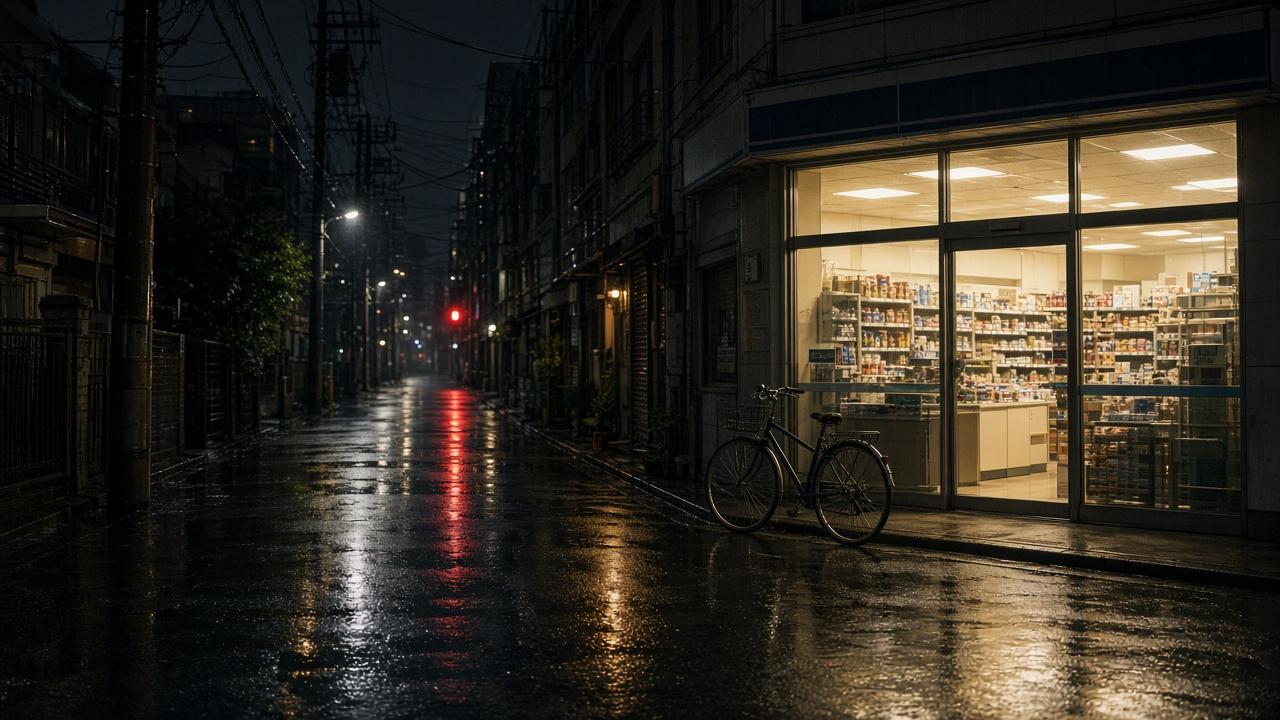
Japan’s Konbini, Explained: What 56,000 Convenience Stores Actually Do—and How to Use One Like a Local
Japan has 56,189 convenience stores (JFA, August 2026) handling over a billion bill payments a year. Why konbini became national infrastructure, the three chains that run 94% of them, what you can do there—cash, taxes, pension, parcels, tickets, printing—the etiquette, and why the network has stopped growing.
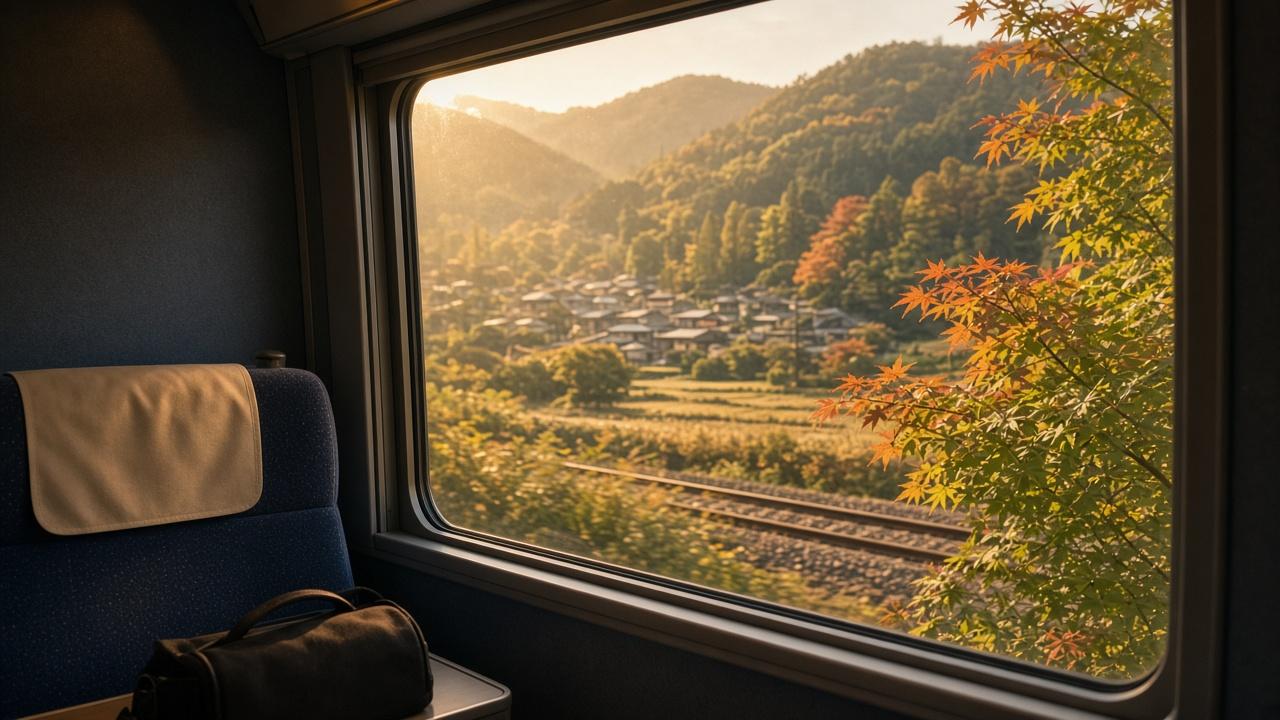
Silver Week in Japan: What It Is, Why 2026 Is Five Days, and What People Actually Do
Japan’s third full five-day Silver Week since 2009 and 2015 runs 19–23 September 2026: Respect for the Aged Day, a Citizens’ Holiday sandwich, and the Autumnal Equinox—what it is, what families do, and how travellers should handle trains, Tokyo, and Nagoya.
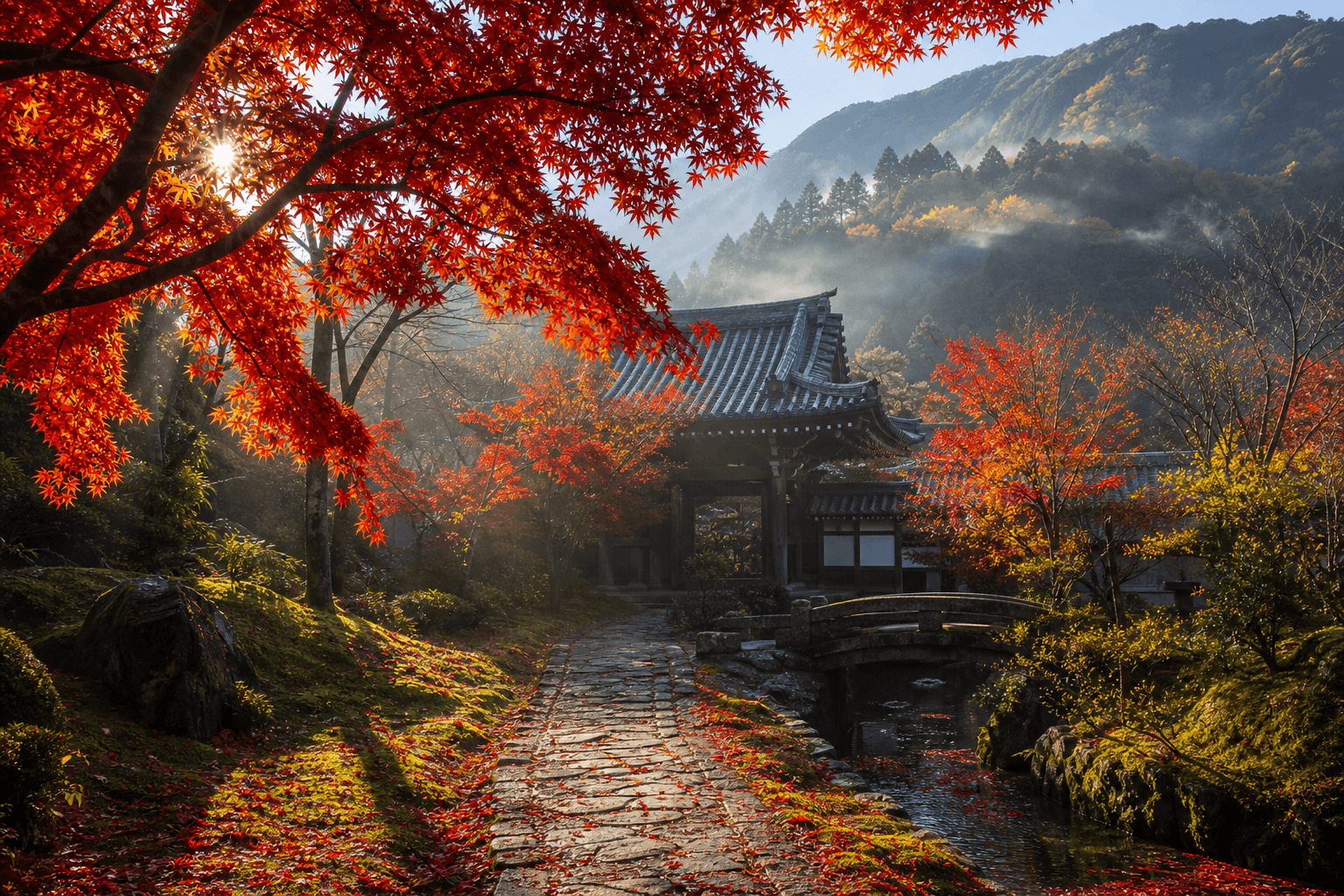
Japan’s Autumn Foliage 2026: The Ultimate Guide to Chasing Kōyō Across Japan
The first 2026 kōyō call is in: late or on average, Tokyo maple 29 November, Kyoto city 11 December. How the colour travels, why a city date is not a temple date, Silver Week’s five-day collision, and how to plan a trip that follows the leaves.

If you're looking for nicely crafted Japan tours, check out: Arigato Travel's experiences.Partner link